Timberwood Park Outdoor Living Ideas for Smarter Yards
If your backyard feels too hot by noon or too empty to enjoy after sunset, you are not alone. In Timberwood Park, outdoor space is one of the biggest lifestyle draws, but the local heat, watering rules, and larger lot sizes mean the best yards need more than a few chairs and a grill. The good news is that with the right layout, planting choices, and shade strategy, you can create an outdoor space that feels comfortable now and appealing to future buyers. Let’s dive in.
Timberwood Park is known for custom homes, mature oaks, larger lots, and a strong connection to the outdoors. The neighborhood also includes a private 30-acre park with a 7-acre lake, trails, courts, a pool, a splash pad, and a 6-hole golf course, so outdoor living already feels like part of the area’s identity.
That matters whether you plan to stay for years or sell in the future. Buyers often expect Timberwood Park homes to offer more than indoor square footage alone. A usable backyard can help your home feel more complete, polished, and move-in ready.
San Antonio’s climate makes comfort a top priority. The area averages 122.4 days each year at 90 degrees or above, and July highs average 94.9 degrees. In practical terms, that means uncovered patios often sit empty during the hottest parts of the day.
A better approach is to build your plan around shade first. When you create relief from the sun, your backyard becomes more usable for morning coffee, evening meals, and weekend gatherings.
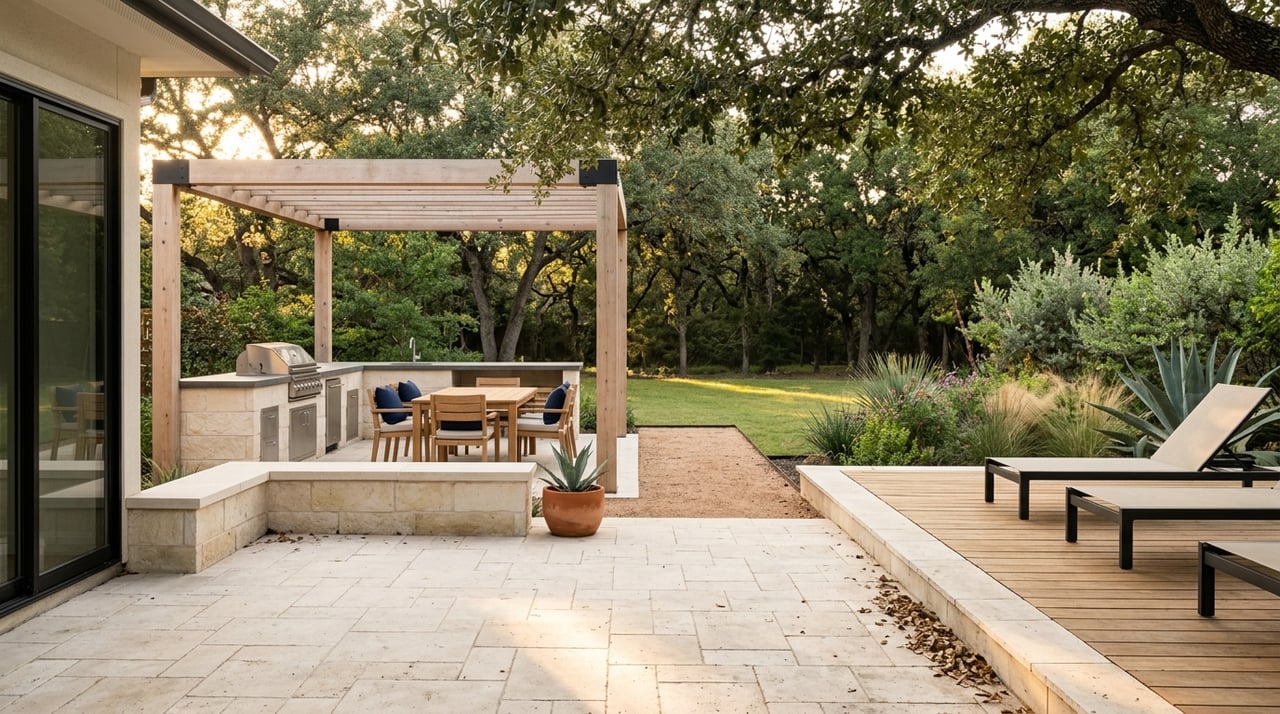
A covered patio, pergola, deep porch, or pavilion-style seating area usually makes more sense here than a large uncovered slab. Covered areas can support dining, lounging, and grilling while also helping your backyard feel like a true extension of your home.
If you are planning a layout, think about how the space will work in late afternoon and early evening. That is often when you will use it most during warmer months, so comfort features like overhead cover, lighting, and fans can make a big difference.
Because summer heat can linger through the day, many Timberwood Park homeowners get the most use from outdoor spaces after sunset. Soft lighting around a patio, dining zone, or path can help the yard feel finished and functional.
The goal is not to overbuild. It is to create a space that feels easy to use on a regular basis, especially during the hottest stretch of the year.
One of the best ways to improve a larger Timberwood Park lot is to give it structure. Instead of treating the yard as one wide open area, divide it into a few practical zones.
This approach works especially well in neighborhoods with custom homes and generous lot sizes. It also tends to photograph better when it is time to list your home.
A layered backyard often works best here, with the highest-use features closest to the house. You do not need every feature, but you do want each area to have a clear purpose.
Consider zones like these:
This kind of layout supports daily life while keeping maintenance more manageable. It also helps the backyard feel intentionally designed instead of unfinished.
Water efficiency is not just a nice bonus in this part of Texas. SAWS watering rules limit when sprinklers and soaker hoses may run, and drought stages can tighten those windows even more. That makes climate-appropriate landscaping a practical choice.
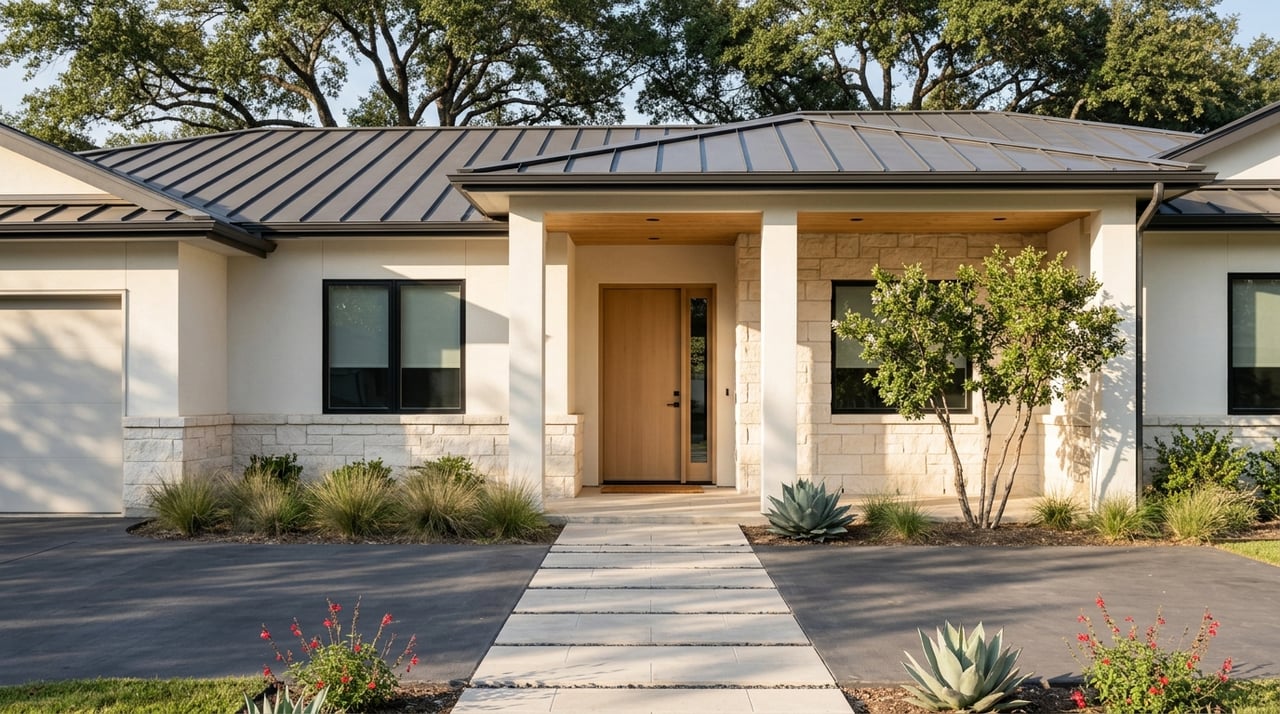
A low-water yard can still look lush and inviting. The key is selecting plants that fit local conditions and using them in a clean, well-planned design.
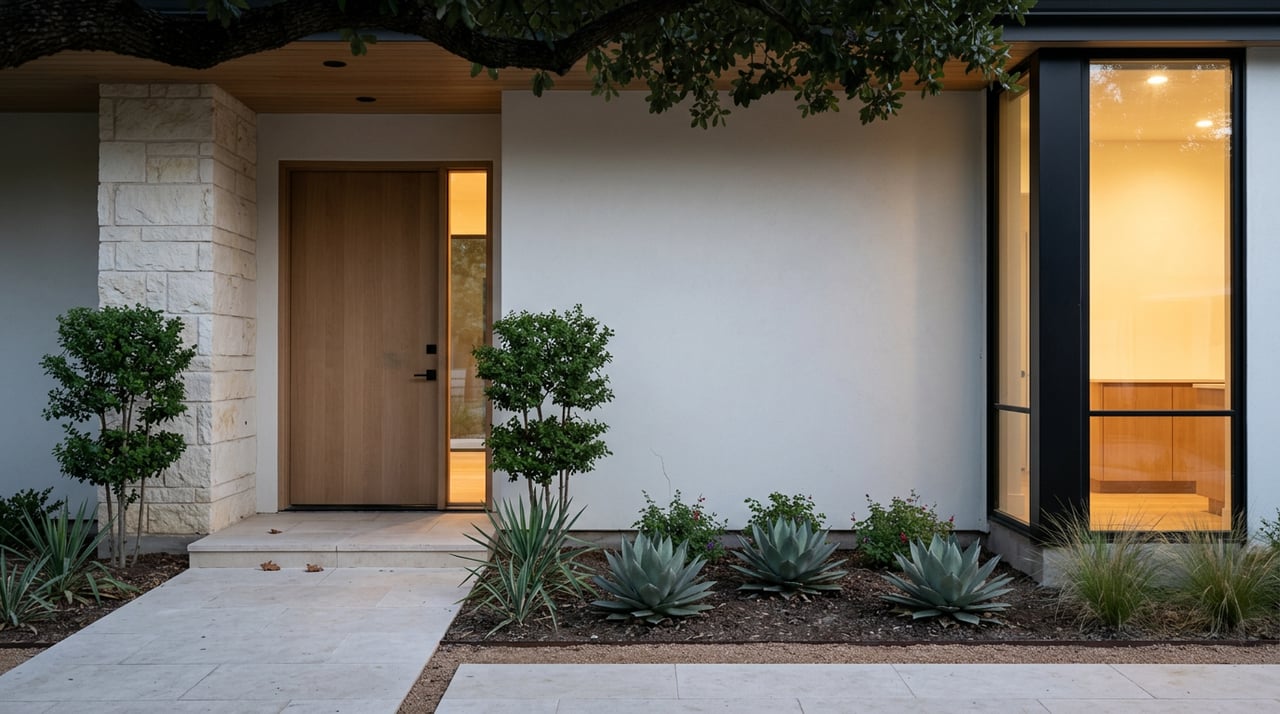
Texas A&M AgriLife notes that native plants in the Edwards Plateau are generally well adapted, low maintenance, and use little water. SAWS also recommends a manicured xeriscape approach with low-water grasses or groundcovers, evergreen shrubs, colorful perennials, shade trees, and mulch.
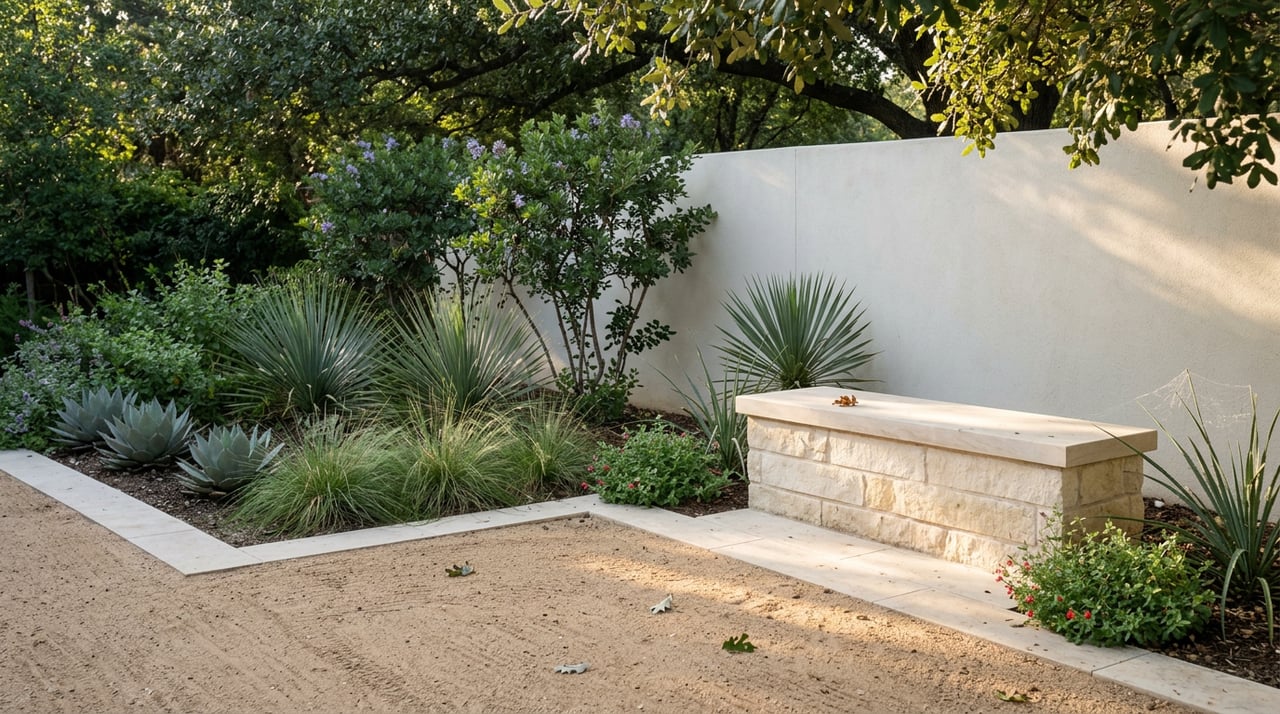
For Timberwood Park homes, useful low-water choices may include:
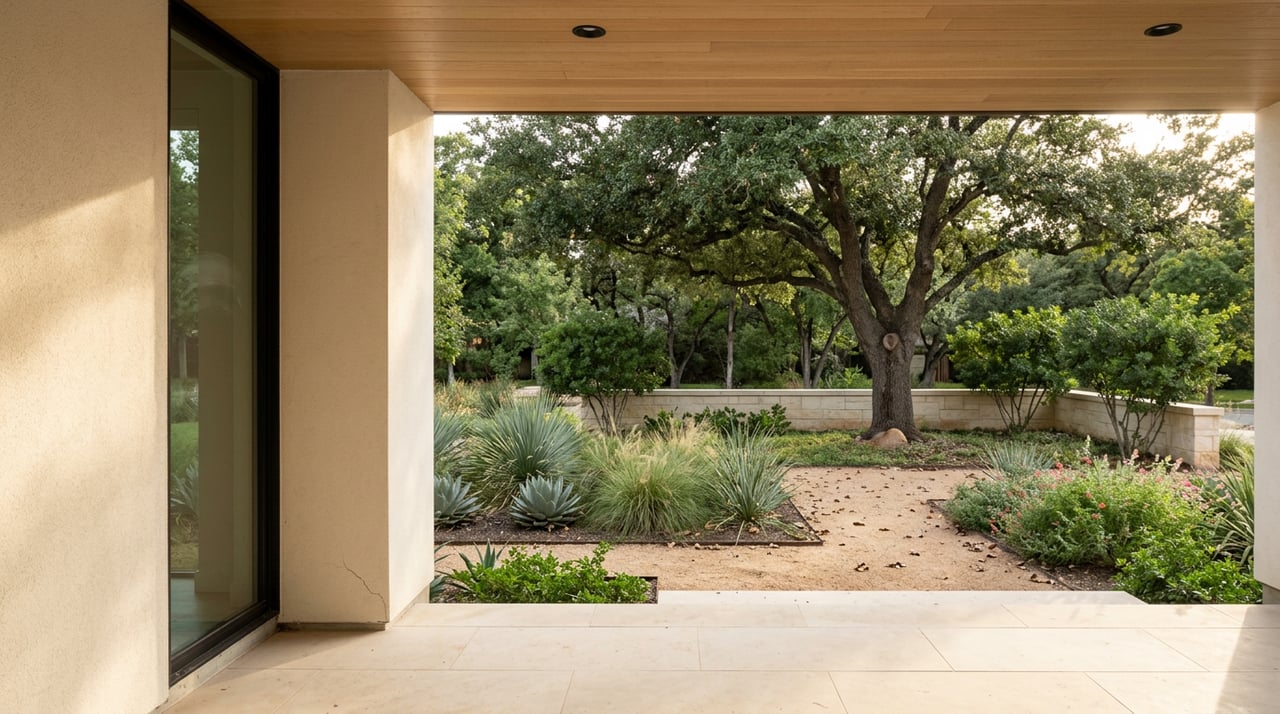
These choices can give your yard a polished Hill Country look without making it feel high maintenance. They also make sense for properties with shallow or rocky soils, where plant selection matters even more.
If your lot has multiple uses, hydrozoning is worth considering. This means grouping plants with similar water needs and similar sun or shade conditions in the same irrigation zone.
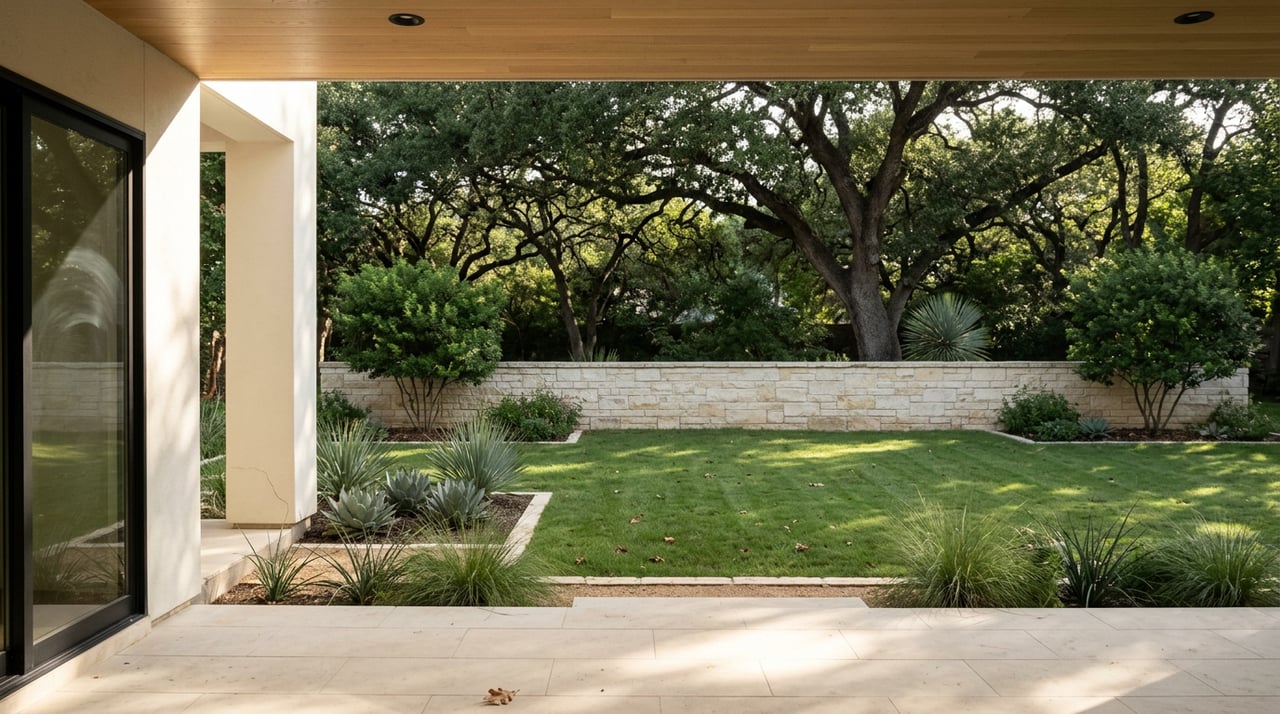
In real life, that often looks like keeping a smaller lawn where you actually use it and surrounding that space with more durable, low-water planting beds. This approach can help reduce waste and support healthier plants across the yard.
If resale is part of your thinking, focus on upgrades that feel broadly useful and easy to maintain. Outdoor spaces with a clear purpose tend to leave a stronger impression than highly customized features that may not fit the next owner’s lifestyle.
Current buyer preferences support that strategy. Patios, landscaping, front porches, outdoor fireplaces, and outdoor kitchens are often seen as desirable features, and polished outdoor rooms can help a home show well in person and in listing photos.
An outdoor kitchen or dedicated grilling area can be a strong fit for Timberwood Park homes, especially on lots that already support entertaining. A simple, well-designed setup often works better than an oversized installation.
A dining space nearby helps buyers imagine how they would actually use the yard. It turns the backyard into a lifestyle space, not just extra square footage.
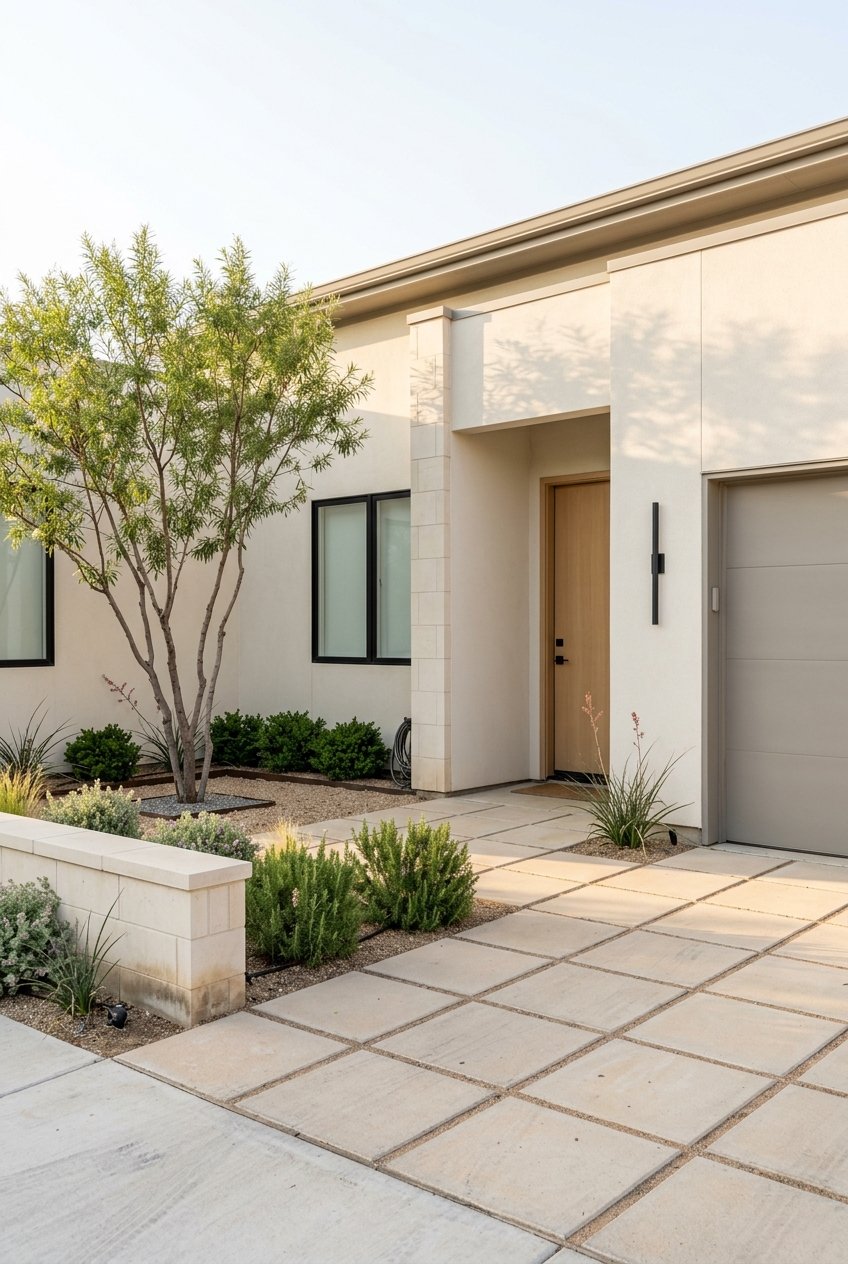
A new patio can be a smart improvement when it connects well to the house and supports everyday use. The best ones feel durable, comfortable, and scaled to the property.
In Timberwood Park, a patio often performs best when paired with overhead shade, nearby planting, and enough open space around it. That balance helps the lot still feel generous, which is part of the neighborhood’s appeal.
A beautiful yard only helps resale if it still looks good month after month. In many cases, simpler is stronger.
That does not mean plain. It means choosing materials, plants, and layouts that age well and do not demand constant upkeep.
For many Timberwood Park homes, the most effective formula is:
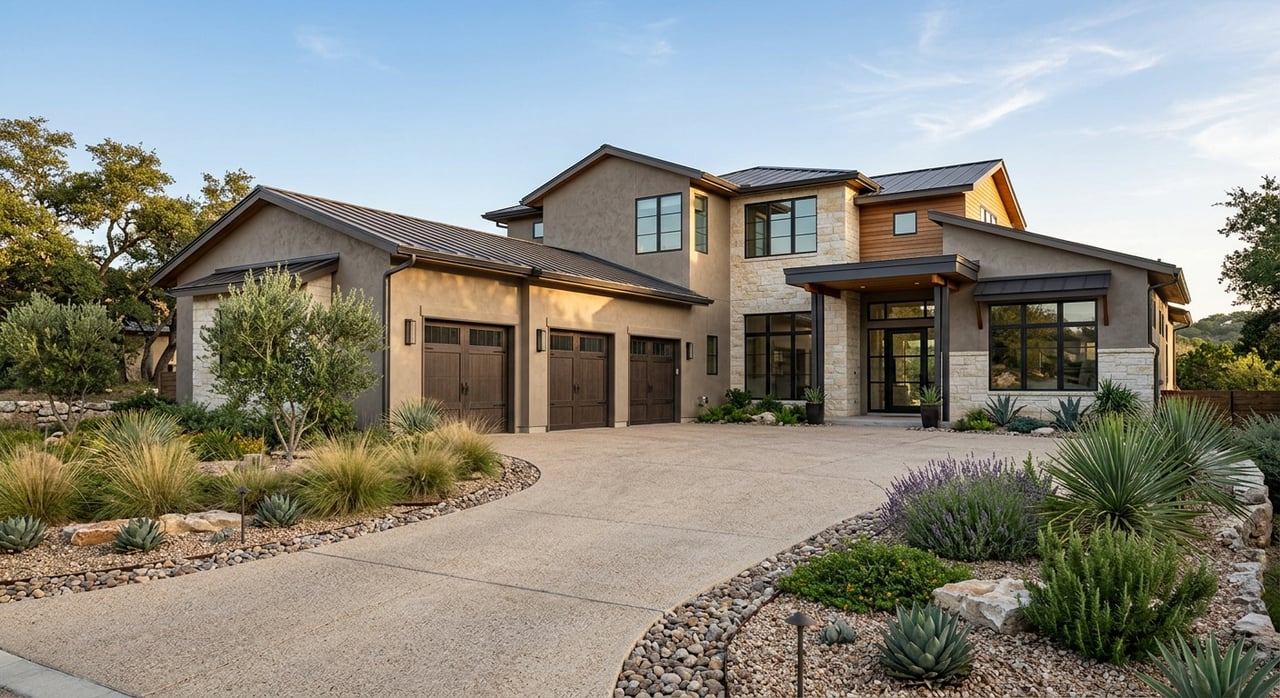
This kind of layout usually feels welcoming to both current owners and future buyers. It also supports curb appeal, which agents frequently recommend improving before listing.
Some Timberwood Park lots have brushy edges, mature trees, or sloped areas. Those features can add beauty and privacy, but they also call for thoughtful planning.
If your property borders brush or more natural terrain, fire-resistant landscaping is worth considering. Texas A&M Forest Service recommends reducing fuel near the home, keeping the immediate 0-to-5-foot zone free of flammable material, using patios and walkways as fuel breaks, and avoiding storage under decks or porches.
Every backyard in Timberwood Park is a little different. Mature trees, slope, sun exposure, and soil conditions all affect what will work best.
That is another reason why restrained, site-specific design usually wins. A plan that works with the lot often looks better and performs better than one that fights the landscape.
This is one of the most important parts of any outdoor project in Timberwood Park. The neighborhood documents note that not all nearby properties with a Timberwood Park mailing address are covered the same way, and most improvements need ACC approval plus City of San Antonio permits.
That means you should verify the requirements for your specific property before starting work. If you are adding irrigation, SAWS also requires plan review for permanent irrigation systems in its service area before installation.
If you are preparing to sell, outdoor upgrades usually work best when they feel useful, attractive, and easy to maintain. Buyers tend to respond well to a neat shaded patio, tidy landscaping, and a backyard that looks ready to enjoy.
In Timberwood Park, you do not need the flashiest yard on the block. You need a yard that fits the climate, respects the lot, and helps buyers picture themselves living there.
If you are thinking about updates before you sell, or you want to know which outdoor features may matter most in your specific part of Timberwood Park, Kristi Waite can help you make a smart plan.
Stay up to date on the latest real estate trends.
She deployed strategies honed over hundreds of transactions, navigating the ever-evolving landscape of real estate with energy and conviction.