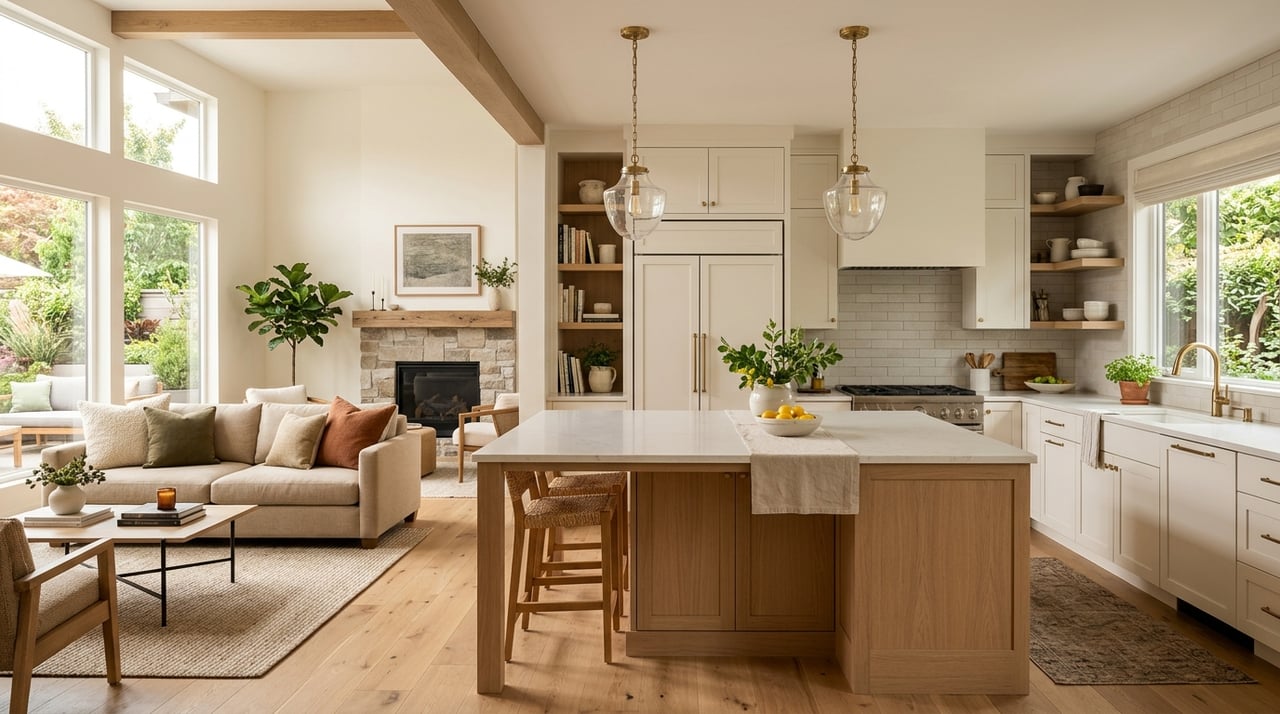
How To Price Your Stone Oak Home Strategically
Wondering why one Stone Oak home gets strong interest right away while another sits and chases the market? In a neighborhood where buyers compare homes closely and price points can vary from one pocket to the next, your pricing strategy matters more than ever. If you want to sell with confidence, the goal is not to pick the highest possible number. It is to choose a price that matches the market, reflects your home's condition, and attracts qualified buyers early. Let’s dive in.
Stone Oak is not a generic San Antonio listing area. Current market data shows Stone Oak at a much higher price band than the broader city, with Realtor.com reporting a median listing price of $510,000, while North San Antonio sits at $389,000. That gap is a reminder that broad city or county averages can give context, but they should not set your list price.
Closed-sale data supports that same idea. Redfin reports a Stone Oak median sale price of $463,294 for the three months ending May 2026, with homes selling at $199 per square foot, while Zillow's Stone Oak home value index was $446,778 as of May 31, 2026. These figures measure different things, so the spread is normal, but together they show why pricing in Stone Oak should be built from hyperlocal data.
Stone Oak also moves differently than the wider market. Realtor.com reports 269 homes for sale, a 31-day median days on market figure, and a 100% sale-to-list ratio in Stone Oak. By comparison, broader local figures in San Antonio and Bexar County show lower sale-to-list ratios and longer market times, which means your home should compete against nearby Stone Oak options, not countywide medians.
The strongest pricing strategy starts with recent sold comparables in your immediate pocket of Stone Oak. Research-backed pricing guidance points to size, location, amenities, and condition as the core factors, using similar homes that have recently sold, are under contract, or are currently active nearby.
This matters because Stone Oak has meaningful variation within the area. Realtor.com's neighborhood data shows nearby price points ranging from about $439,800 in Hills of Stone Oak to $470,000 in Las Lomas. In practical terms, two homes with the same square footage can justify different prices based on the exact section, lot placement, finish level, and competition around them.
That is why a home in one part of Stone Oak should not automatically mirror the price of a home across the broader area. Your best price range usually comes from homes buyers would see as true alternatives to yours right now.
Once the right comp set is built, the next step is adjusting for your home's condition. Upgrades, renovations, needed repairs, and seller concessions all affect where your home lands within its likely price band. A polished kitchen, updated flooring, or refreshed primary bath may support a stronger position, while deferred maintenance can pull pricing lower.
This is also where online estimates can fall short. Automated valuation tools can be a useful starting point, but they do not replace an in-person review of your home's features, wear, layout, and presentation. In Stone Oak, where buyers often compare homes carefully, those details can influence both pricing and buyer response.
The key is to be honest about your home's market position. Strategic pricing reflects what buyers are likely to see and compare, not what you hope they overlook.
Price and presentation work together. According to NAR's 2025 Profile of Home Staging, 29% of agents saw staged homes receive a 1% to 10% increase in the dollar value offered, while 49% saw shorter time on market. Buyers' agents also reported that staging helps buyers envision the property as a future home.
For many sellers, that does not mean a major overhaul. The most common prep recommendations were decluttering, deep cleaning, and improving curb appeal. NAR also reported a median staging service cost of $1,500, which may be worth considering if your home needs help standing out in a competitive Stone Oak price range.
Photos, video, and virtual tours also matter. If you want to price near the top of your likely range, your home's presentation needs to support that number from the first showing online through the first showing in person.
It is easy to think starting high leaves room to negotiate. In reality, overpricing can reduce early interest and lead to price cuts that weaken your position. Local data helps make that clear.
In March 2026, TRERC reported that San Antonio median seller price cuts reached $18,000, or 5.2% off the original list price. That is a strong signal that the market is rewarding precision more than optimism.
A home that comes on too high may miss the first wave of serious buyers. Those buyers are often the most active and best prepared, especially in a neighborhood like Stone Oak where people track new listings closely. By the time a price is reduced, your listing may already feel stale compared with homes that were priced well from day one.
Even a well-prepared home needs the right timing strategy. Texas home sales typically accelerate beginning in March, peak in summer, and slow in winter. TRERC's seasonal research found that June was the average peak month across its long-term sample, and that sellers tend to improve their odds when they list well before the peak month.
TRERC's May 2026 Housing Insight adds more local context. April through June typically accounts for 30% of annual Texas home sales, and San Antonio new listings jumped 39% from February to March 2026, with listings running 14.5% above year-ago levels. That tells you spring brings visibility, but it also brings more competition.
For a Stone Oak seller, this means pricing has to work quickly. If your home enters the market during a busy spring cycle, buyers will have options. A strategic list price helps your home stand out while buyer traffic is building, not after attention has moved elsewhere.
Buyers do not just compare square footage. They compare value. In Stone Oak, that often means they are looking at a mix of location within the neighborhood, lot appeal, floor plan, updates, maintenance, and how your home stacks up against active alternatives.
They also notice whether the list price feels aligned with the home's overall presentation. If your price suggests a turnkey home but buyers see visible wear, outdated finishes, or needed repairs, the mismatch can slow momentum. If the home shows cleanly, feels well maintained, and is priced in line with nearby options, buyers are more likely to respond quickly.
That is why the best pricing strategy is rarely about chasing the top number. It is about creating a strong first impression and giving buyers a clear reason to act.
If you are preparing to sell, a practical pricing framework looks like this:
This approach is especially helpful in a market where one section of Stone Oak may behave differently from another. It helps you avoid broad assumptions and focus on what buyers are actually paying attention to now.
The best Stone Oak list price is not necessarily the highest plausible number. It is the number most likely to attract qualified buyers, reduce the chance of later price cuts, and position your home well against nearby alternatives.
That takes more than pulling a citywide average or checking an online estimate. It takes local knowledge, careful comp selection, and a realistic look at condition, timing, and competition. In a premium north-side market like Stone Oak, that kind of pricing strategy can make a meaningful difference in both momentum and outcome.
If you are thinking about selling and want a pricing plan built around your exact Stone Oak pocket, Kristi Waite can help you evaluate the comps, competition, and presentation details that matter most.
Stay up to date on the latest real estate trends.
She deployed strategies honed over hundreds of transactions, navigating the ever-evolving landscape of real estate with energy and conviction.