Stone Oak Low Maintenance Homes: What Buyers Should Know
If you love the idea of Stone Oak but do not love the idea of spending every weekend on yard work, you are not alone. Many buyers want a home that feels polished and comfortable without taking on a big exterior workload. The good news is that Stone Oak offers several ways to enjoy a lower-upkeep lifestyle if you know what to look for. Let’s dive in.
In Stone Oak, low-maintenance living is less about one specific home style and more about how the property is set up for ongoing upkeep. In many cases, the right fit means a smaller private yard, more shared community features, and association-managed common areas.
That structure is part of why Stone Oak appeals to buyers who want a more managed lifestyle. The Stone Oak POA says owners within its boundaries often pay both neighborhood HOA assessments and master-association assessments, and it maintains common grounds such as landscaping, irrigation, and monuments. For many buyers, that support reduces the amount of exterior work they handle on their own.
Stone Oak is a master-planned community, and that matters when you are comparing upkeep. In planned communities, some of the visual appeal and exterior maintenance burden is shifted from individual owners to the association structure.
You can see that pattern in local neighborhoods. Champions Ridge says its HOA owns and maintains features such as a guard house, streets, a tennis court, a sport court, a pavilion, landscaped common areas, and a nature preserve. It also notes that every homeowner is a member of both the neighborhood HOA and the Stone Oak POA.
Promontory Pointe also reflects that more managed approach. Its community includes gated and non-gated areas, along with pools, a sports court, a park, lighted entrances, and landscaped medians and perimeter areas. For buyers, that often means more shared upkeep and less reliance on a large, labor-heavy private yard.
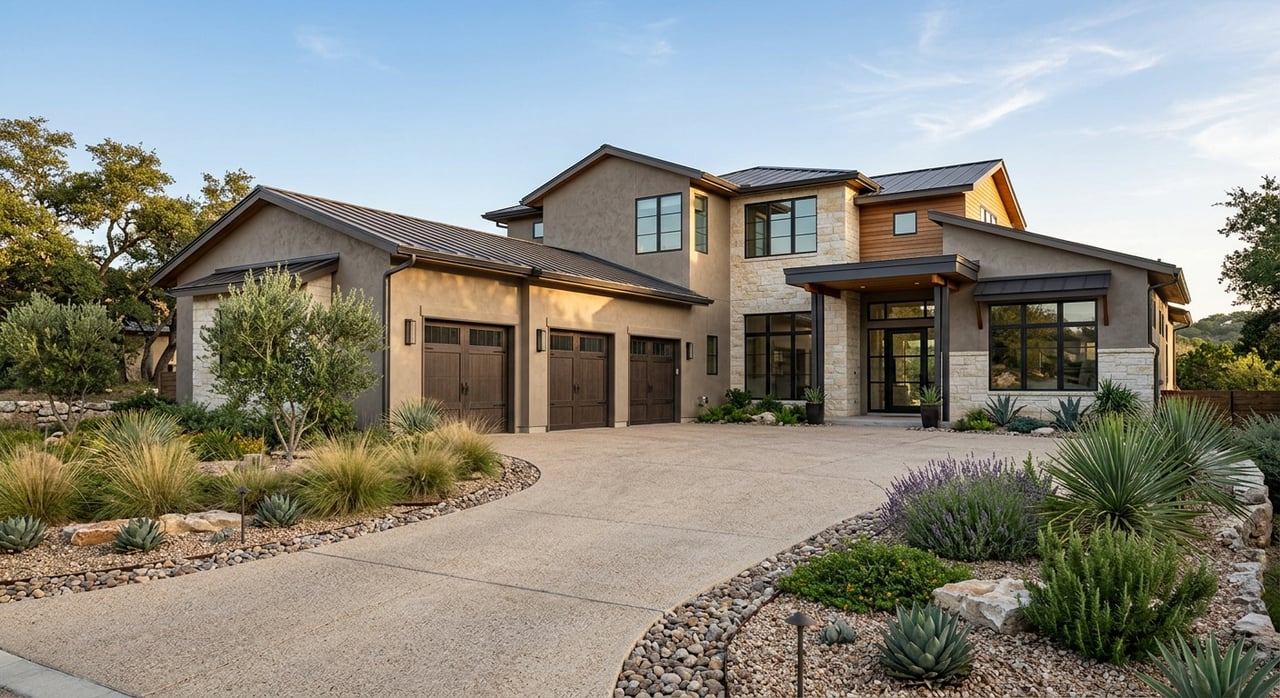
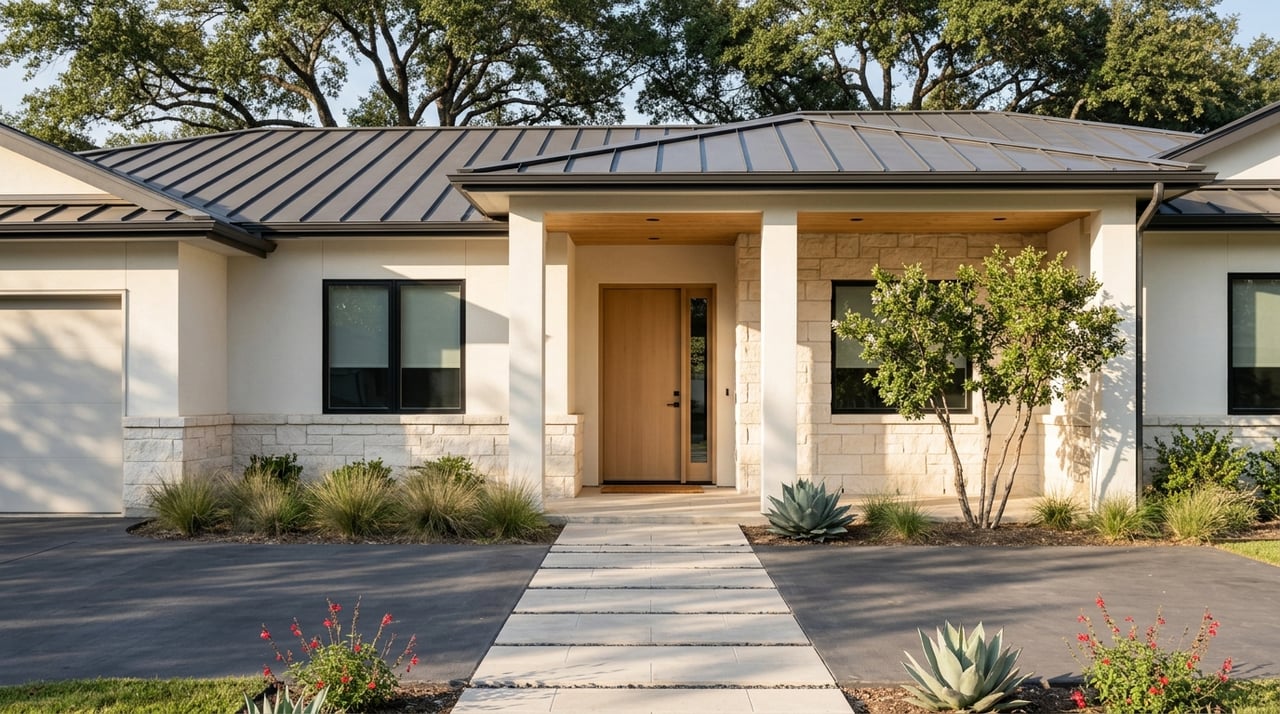
If you are searching for low-maintenance living in Stone Oak, it helps to focus on the ownership model instead of chasing one label. A detached home can still feel low-maintenance if the lot is smaller, the landscaping is simple, and the community handles a meaningful share of the exterior burden.
Some buyers may prefer villa-style or smaller-lot detached homes. Others may like planned-unit-development neighborhoods where shared amenities and common-area maintenance play a bigger role in day-to-day living.
That approach fits what local neighborhood structures show. Champions Ridge includes both estate and villa home sites, while Promontory Pointe is a planned-unit development with gated and non-gated sections. The takeaway is simple: the easiest home to maintain is usually the one with less private yard to manage and clearer shared support through the HOA structure.
A home can look low-maintenance online and feel very different once you read the documents. That is why asking the right questions early can save you time and surprises.
Here are some of the most important questions to review:
Those details shape your real cost of ownership. The list price matters, but so do the time, irrigation, landscape upkeep, and compliance responsibilities you take on after closing.
One of the biggest tradeoffs in low-maintenance living is that less exterior work often comes with more association structure. In Stone Oak, that can mean more predictable upkeep in exchange for dues, rules, and approval processes.
It is especially important to understand whether you are paying one association or two. The Stone Oak POA says many owners within its boundaries pay both neighborhood-level and master-association assessments, so you will want to confirm exactly how that applies to any property you consider.
You should also look past the monthly or annual amount and ask what those dues support. If an association helps maintain landscaping, irrigation, entrances, amenities, or common areas, that may support the lower-upkeep lifestyle you want. If it does not, you may still be taking on more exterior work than expected.
In Texas, association documents are a key part of due diligence. Under Texas Property Code Chapter 207, a property owners’ association must deliver a current copy of the subdivision restrictions, bylaws, rules, and a resale certificate within 10 business days of a proper request.
That resale certificate is important because it includes assessment information and litigation disclosures. For buyers, that helps clarify what financial obligations and risks may come with the property before you commit.
Under Texas Property Code Chapter 209, a property owners’ association must record a management certificate with the county. That certificate includes details such as the subdivision name, association name, recording data, contact information, website address, and transfer-fee information.
The Texas Real Estate Commission says these management certificates are publicly searchable through the Texas HOA database at hoa.texas.gov. TREC also notes that it does not regulate HOA activities.
If your search expands into condo-style options, Texas Condominium law under Chapter 82 requires more detailed document delivery before closing. The seller must furnish the declaration, bylaws, association rules, and a current resale certificate.
That resale certificate can include the operating budget, periodic assessments, unpaid special assessments, unpaid fees, approved capital expenditures, reserves, unsatisfied judgments, pending suits, insurance coverage, and whether known alterations violate governing documents. In a low-maintenance search, those details matter because they show whether convenience is matched by sound association planning.
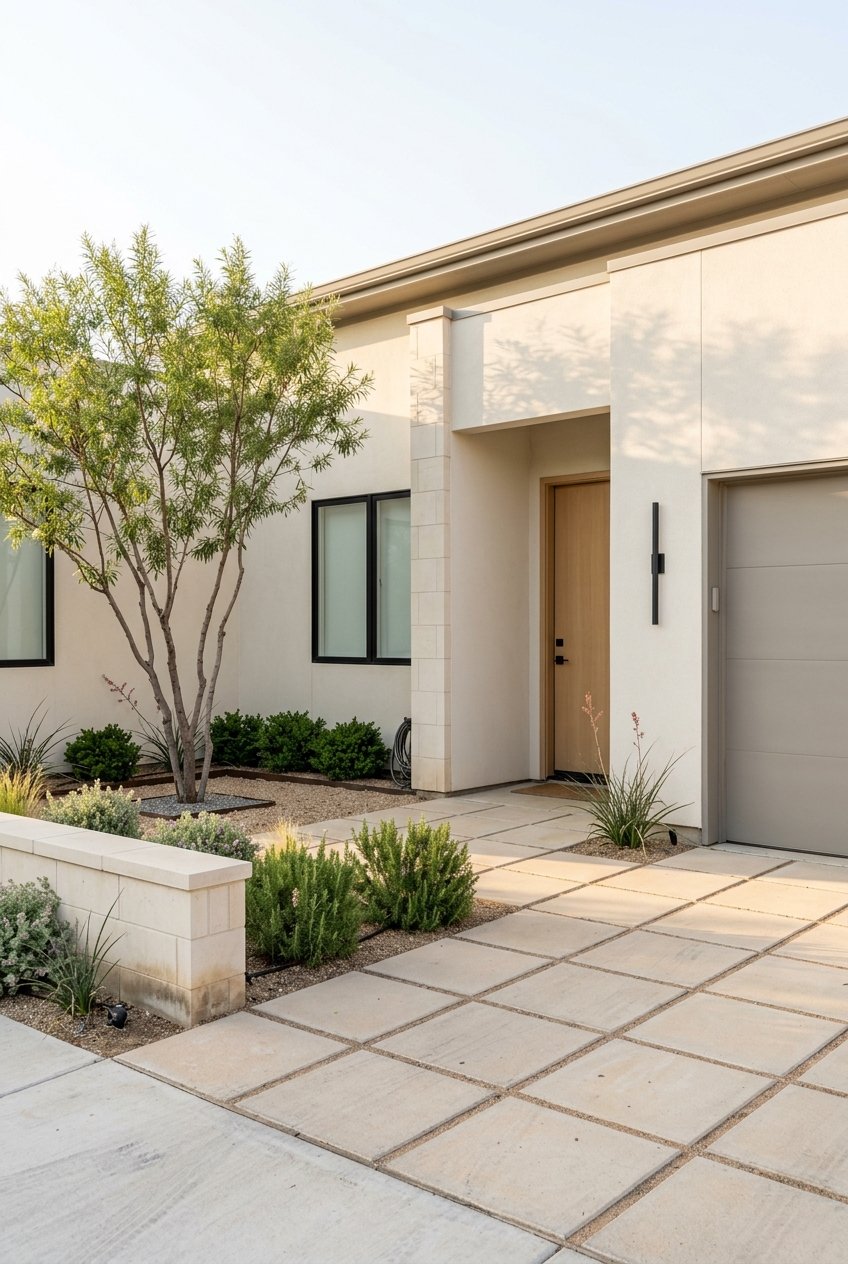
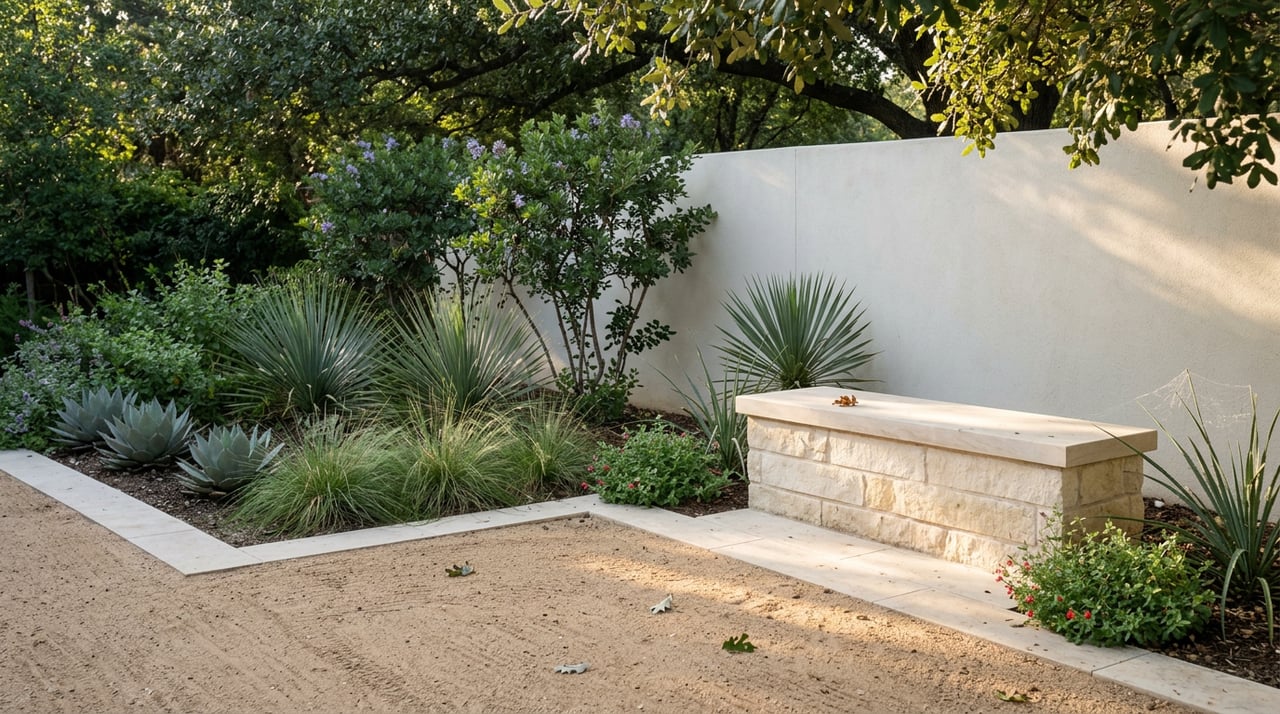
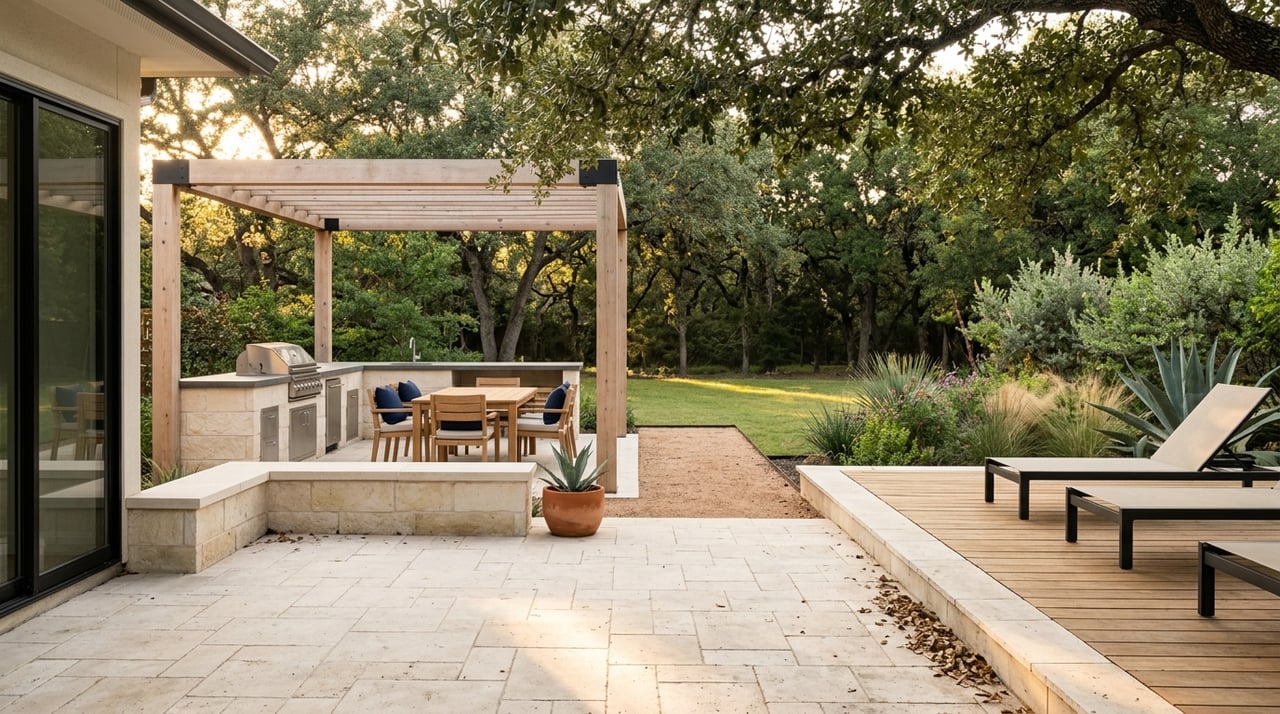
In Stone Oak, low-maintenance living is closely tied to landscaping choices. San Antonio is a conservation-minded market, so a water-wise yard can make a real difference in both maintenance needs and day-to-day practicality.
Promontory Pointe says it adopted a xeriscaping policy because of frequent and persistent drought conditions. Its policy defines xeriscaping as using native and adapted plants with low water needs that reduce water use and yard maintenance.
That is helpful for buyers, but it comes with an important reminder. Promontory Pointe also makes clear that yard changes still require ACC approval, so lower-maintenance does not mean no rules.
SAWS offers useful local guidance here as well. Its manicured xeriscape guidance describes a low-water landscape style that replaces more water-intensive turf with low-water plants, and it says basic maintenance can often be limited to mulch refreshes, trimming, and occasional mowing or edging.
SAWS also says low-water groundcovers and turf may need irrigation as little as once every two weeks in summer once established. It also notes that automatic irrigation systems in San Antonio are required to have working rain sensors.
When you tour homes in Stone Oak, a few patterns can point you toward a lower-upkeep fit. You do not need a perfect checklist, but you do want to notice how the property will live after move-in.
Look for features like these:
These features do not guarantee a maintenance-free experience. They simply make it more likely that your ongoing workload will feel manageable and predictable.
Low-maintenance living usually involves a tradeoff, and it is best to be honest about it from the start. In Stone Oak, buyers are often trading intensive yard work for more HOA oversight, more shared amenities, and more structured community standards.
For many people, that trade is worth it. You may spend less time managing a large yard and more time enjoying a neighborhood that keeps common areas, entries, and amenities in strong shape.
Still, the right fit depends on your comfort level. If you want maximum freedom to change landscaping or exterior features without review, a more managed community may feel restrictive. If you want easier upkeep and a more predictable exterior environment, it may be exactly what you want.
The best low-maintenance option in Stone Oak is the one that matches your daily habits, not just your search filters. A home that looks appealing online may not feel easy to maintain once you factor in dues, approval requirements, irrigation, and private yard size.
A smart search starts by defining your own priorities. Think about how much yard work you want to do, how comfortable you are with HOA rules, and whether shared amenities matter more to you than a larger lot.
From there, you can compare homes more clearly. Instead of asking only whether a property is in Stone Oak, ask whether it truly supports the lifestyle you want after closing.
If you want help comparing Stone Oak neighborhoods, HOA structures, and homes that may offer a lower-upkeep lifestyle, Kristi Waite can guide you through the options with local insight and a clear, hands-on approach.
Stay up to date on the latest real estate trends.
She deployed strategies honed over hundreds of transactions, navigating the ever-evolving landscape of real estate with energy and conviction.