Leave a Message

Thank you for your message. I will be in touch with you shortly.

Stone Oak vs Other North San Antonio Areas: How To Decide

Trying to choose between Stone Oak and other parts of North San Antonio? You’re not alone. Each area offers a different mix of home styles, HOAs, commute trade-offs, and lifestyle perks, so the “right fit” depends on what you value most. In this guide, you’ll learn how Stone Oak compares to nearby options, what to investigate before you write an offer, and a simple checklist to make the decision easier. Let’s dive in.

North side at a glance

Stone Oak in context

Stone Oak is a master-planned area in Bexar County known for single-family homes, neighborhood amenities, and convenient access to major roads. Many communities feature pools, parks, and active HOAs. Retail, dining, and daily services cluster along main corridors, so errands are usually close by.

Common nearby alternatives

  • Master-planned suburbs north of Loop 1604, especially off US-281, with newer subdivisions and family-focused amenities.
  • Retail-and-apartment corridors near The Rim and La Cantera, where condos, townhomes, and apartments are more common.
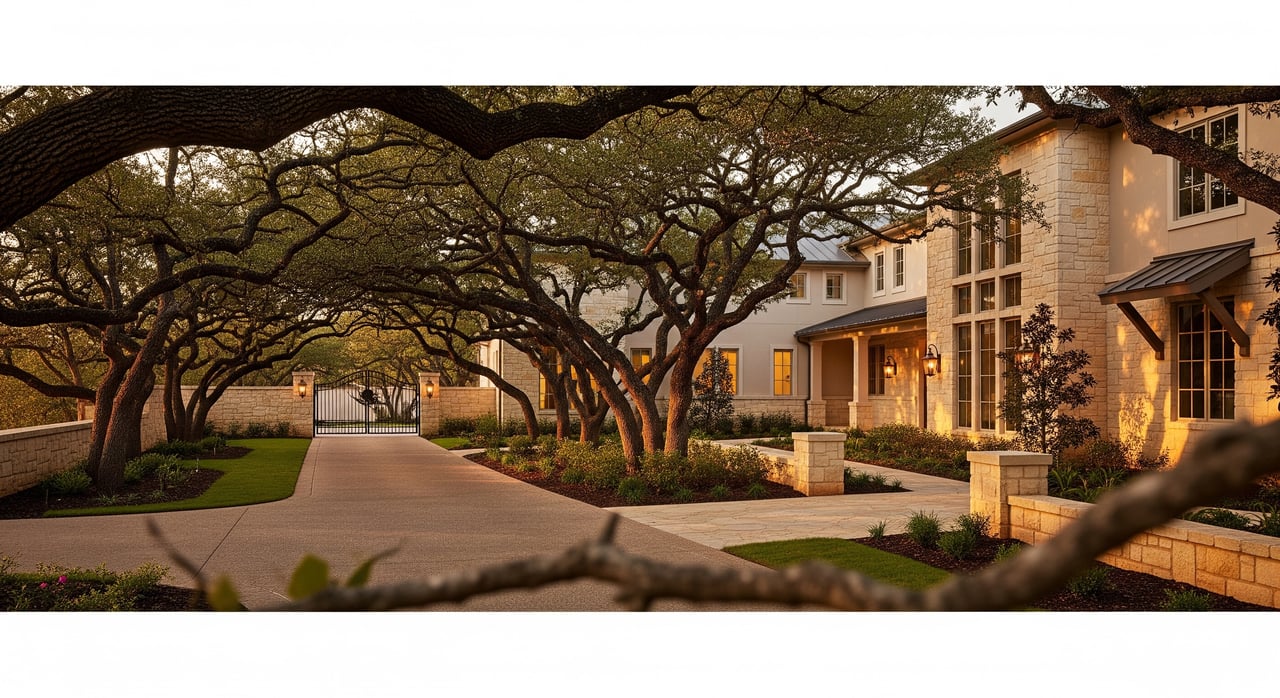
  • Luxury gated enclaves such as The Dominion or Shavano Park, with larger estates and higher price points.
  • Older north-central neighborhoods with smaller lots, mature trees, and homes built in earlier decades.

Homes and prices: what to compare

Stone Oak housing profile

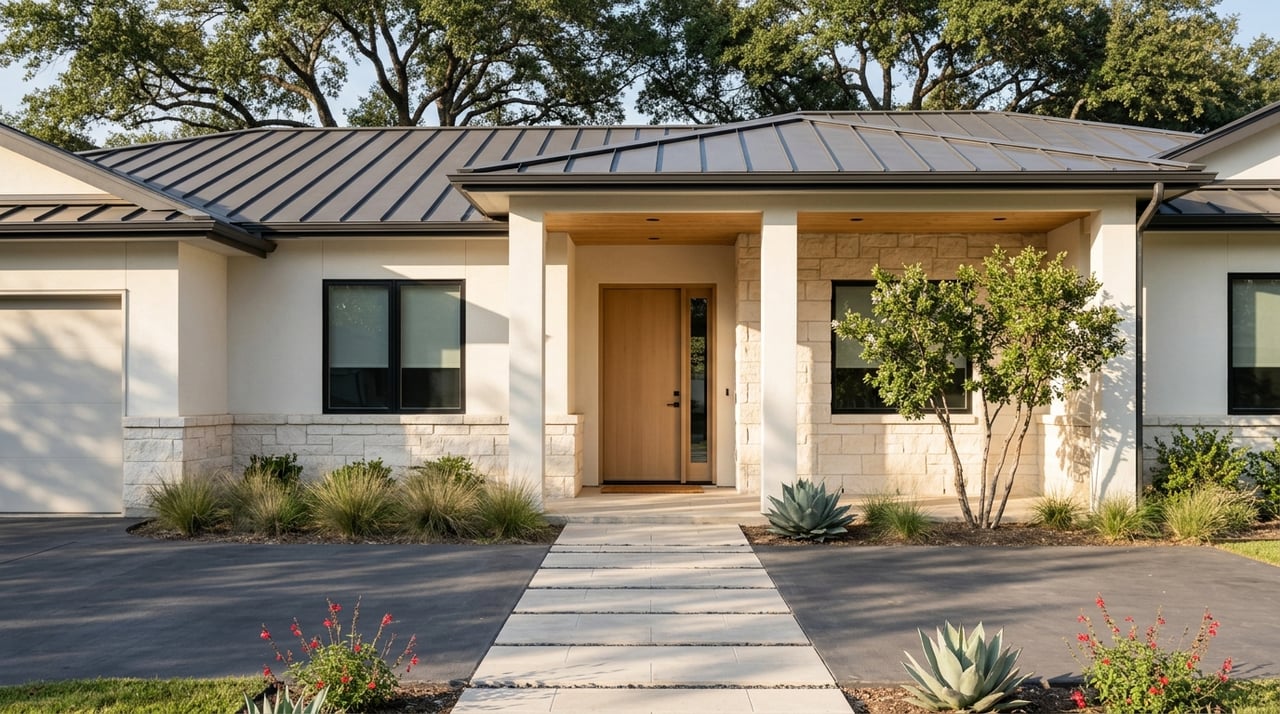
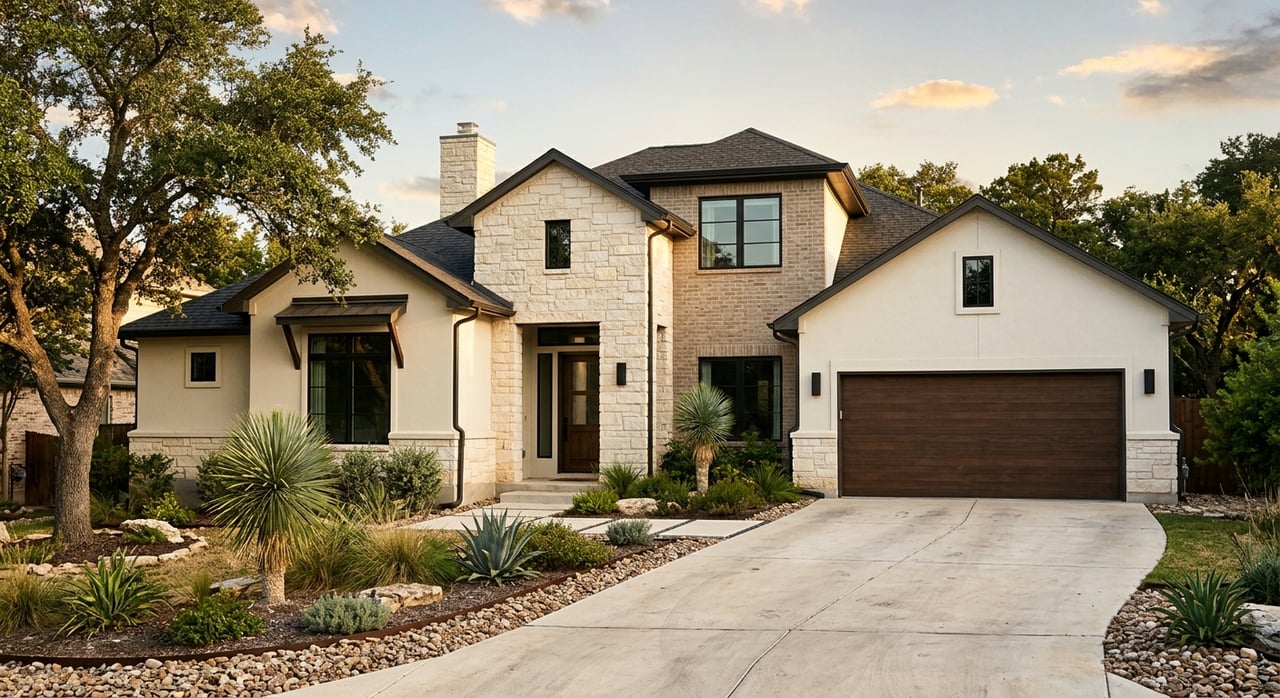
You’ll find a wide range of single-family homes, from tract-built to custom, with styles that blend traditional, Spanish, and Texas Hill Country influences. Many homes were built from the 1990s through the 2010s. Lot sizes are often medium to large for the city, with many properties around 0.2 to 0.5+ acres. Expect a mix of resale homes, some infill, and limited townhome or patio-home options. Stone Oak historically carries a pricing premium driven by community amenities, lot sizes, and brand recognition.

How other areas differ

  • The Rim/La Cantera corridor tends to offer more condos, apartments, and newer townhomes close to shopping and employers.
  • Far-north tracts along I-10 or 1604 include new construction at varied price points, often on smaller lots with builder-finish packages.
  • Luxury enclaves deliver custom homes, private roads or gates, larger parcels, and upscale finishes at higher price points.
  • Older north-central neighborhoods trade larger yards for proximity and character. Many homes may need updates, which can be a plus if you want to customize.

When you compare, focus on year built, lot size, floor plan, potential renovation needs, and price per square foot in each micro-neighborhood.

HOAs: rules, fees, and what to review

Many Stone Oak subdivisions have HOAs that maintain standards, amenities, and common areas. Fees vary based on services and features, from modest dues to higher assessments in gated or amenity-rich communities. Other north-side areas range from very light HOA oversight to robust condo or townhome associations, especially near mixed-use corridors. Luxury gated areas typically have higher fees and more detailed rules.

Before you commit, request and review:

  • Current dues and what they cover
  • CC&Rs, design review process, rental and short-term rental policies
  • Reserve study and any history of special assessments
  • Architectural approval timelines and exterior limitations
  • Enforcement and complaint procedures
  • Whether a third-party firm or volunteer board manages the HOA

Commute and transportation

Stone Oak offers access to US-281 and Loop 1604 for north-south and cross-town travel. During peak hours, expect bottlenecks along 281 and 1604. Most of North San Antonio is auto-dependent, with limited bus coverage compared to inner-city areas. Inside many subdivisions, sidewalks and trails support local walks, but most errands still require a car.

How other areas compare:

  • The Rim/La Cantera can shorten shopping and dining trips, though traffic can be heavier around major retail.
  • Communities near employer clusters around 1604/281 may offer shorter drives for specific jobs.
  • Gated enclaves often trade through-traffic for longer drives to daily services.

Time your actual routes during rush hour from your short list. Check alternative paths and note any planned road projects that may change travel times.

Daily lifestyle and amenities

Stone Oak day to day

Most neighborhoods offer pools, parks, and walking trails. Grocery stores, healthcare, and services are nearby, with broader medical and specialty care available farther south. You’ll find a steady flow of community events coordinated by HOAs and local groups.

How nearby areas feel

  • The Rim/La Cantera stands out for dense shopping, dining, entertainment, and proximity to corporate offices.
  • Far-north pockets feature newer retail centers and family-oriented amenities but may lack an established community feel.
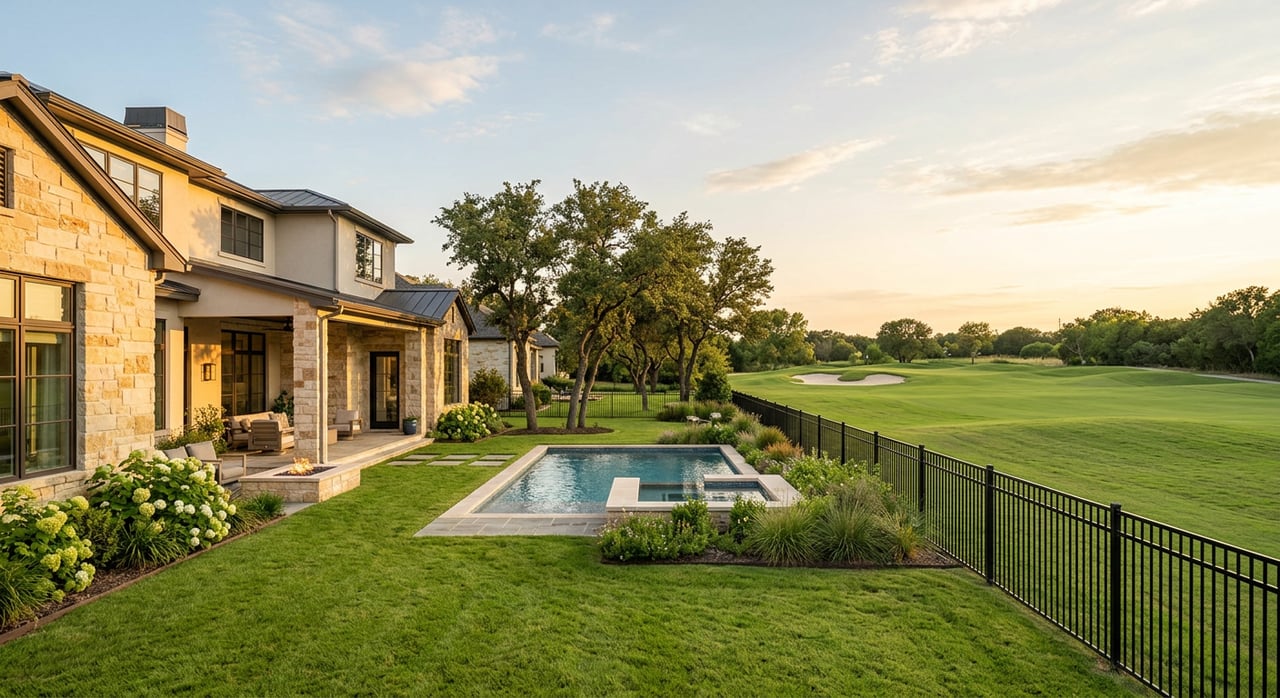
  • Luxury enclaves may include private club amenities, golf, or equestrian options, with fewer public retail nodes inside the gates.

If you want outdoor access, compare proximity to parks and Hill Country trails, plus sidewalk coverage for daily walks.

Schools, safety, and taxes

School assignments vary by address and can change as districts update boundaries. Many Stone Oak addresses are served by large area school districts with a strong reputation. Always verify current attendance boundaries and review campus profiles, program options, and accountability ratings.

Crime patterns vary block by block. Review recent reports on official crime maps and speak with local resources about trends and neighborhood watch activity. For property taxes, use the county appraisal district to check rates for a specific home. Insurance costs can vary with age of home and location. Confirm whether a property sits near a creek or in a lower elevation that may require flood insurance, and consult FEMA flood maps for designations.

Resale and market performance

Stone Oak’s combination of school reputation, lot sizes, and established amenities tends to support steady demand and solid resale. Luxury enclaves are often resilient but can have smaller buyer pools. Mixed-use corridors may perform differently based on new supply, rental concentration, and employer moves.

Market conditions shift with inventory, new construction, and seasonality. Pull current local comps and trends for days on market and absorption in your specific micro-neighborhood. If you plan to renovate, focus on updates that most buyers value over time, such as kitchens, baths, and usable yard space.

Watch for new subdivisions farther north that may influence pricing on older listings. Track major retail or infrastructure projects that could change desirability.

A simple decision framework

Use this checklist to compare Stone Oak with other north-side options. Print it and bring it on tours.

  • Lifestyle and budget

    • Do you prefer larger lots and neighborhood amenities, or walkable retail and mixed-use convenience?
    • Add up monthly costs: mortgage, property taxes, HOA dues, and insurance.
  • Commute and daily routes

    • Time your top two daily drives at rush hour from each short-listed neighborhood.
    • Note alternative routes and any planned road improvements.
  • HOA and community standards

    • Request HOA budget, CC&Rs, meeting minutes, reserve study, and rental policies before you waive contingencies.
    • Confirm architectural timelines and rules for exterior changes.
  • Schools and family services

    • Verify attendance boundaries, feeder patterns, and program options.
    • Visit campuses when possible and review accountability ratings.
  • Property condition and long-term costs

    • For older homes, check roof, HVAC, foundation, drainage, and past claims.
    • Confirm lot boundaries, easements, tree maintenance, and outdoor upgrades.
  • Resale and neighborhood trajectory

    • Pull 3- to 5-year median sale price trends, current inventory, and average days on market.
    • Research planned developments that could affect future demand.
  • Safety and environment

    • Review official crime maps and evaluate street lighting and sidewalk coverage.
    • Check FEMA flood maps and ask sellers about any past flooding or claims.
  • Final due diligence

    • Collect seller disclosures, HOA statements, title exceptions, a recent survey, appraisal comps, and full inspections.

Ready to compare homes side by side?

If you want a calm, data-backed way to choose between Stone Oak and nearby areas, you deserve a local guide who knows both the numbers and the nuances. Reach out to Kristi Waite for a customized tour plan, on-the-ground insights, and a clear path to your best fit.

FAQs

Is Stone Oak worth the premium compared to other North San Antonio areas?

  • It can be, depending on your priorities. Stone Oak’s lot sizes, neighborhood amenities, and strong community identity often support steady demand. Compare price per square foot, HOA features, and recent sales in your specific micro-neighborhood.

How do Stone Oak HOAs affect flexibility and costs for homeowners?

  • Many Stone Oak HOAs maintain standards and amenities, which can enhance consistency but add rules and dues. Review CC&Rs, fees, reserve funding, and any history of special assessments before you commit.

What commute should I expect from Stone Oak to major job centers?

  • Expect peak congestion on US-281 and Loop 1604. Time your exact routes during rush hour to your key destinations and note alternate paths and any planned road projects.

Which North San Antonio areas have lighter HOA oversight and lower fees?

  • Older north-central neighborhoods and some newer tracts without master associations may have minimal HOA oversight. Confirm city services, street maintenance, and any voluntary association details.

How should I compare schools across North San Antonio neighborhoods?

  • Verify attendance boundaries by address, review campus profiles and accountability ratings, and visit during school hours when possible. Program options like magnet or STEM can vary by campus.

Work With Kristi

She deployed strategies honed over hundreds of transactions, navigating the ever-evolving landscape of real estate with energy and conviction.