Staging Strategies That Shine In North Central Thousand Oaks
Are you getting ready to sell in North Central Thousand Oaks and wondering what actually makes a home stand out? In an established neighborhood with mature trees, varied floor plans, and homes built mostly between 1970 and 1999, presentation matters because buyers are comparing character, layout, and condition all at once. The good news is that smart staging does not have to feel overwhelming. With the right focus, you can help your home look brighter, more functional, and more memorable from the first photo to the final showing. Let’s dive in.
In North Central Thousand Oaks, buyers are often looking at homes with generous lots, mature oak trees, fireplaces, patios, decks, and flexible rooms. That means your home is not competing as a cookie-cutter product. It is being compared on how well it shows its space, light, and everyday livability.
Staging helps buyers understand the home faster. According to the National Association of Realtors 2025 Profile of Home Staging, 83% of buyers’ agents said staging makes it easier for buyers to visualize a property as their future home. The same report found that 49% of sellers’ agents observed shorter time on market, while 29% reported a 1% to 10% increase in offered value on staged listings.
That said, staging is best viewed as a presentation strategy, not a promise. These findings are based on agent survey responses, so they are most useful as directional guidance. In other words, staging can improve how your home is experienced, which can help it compete more effectively.
Current listing descriptions in North Central Thousand Oaks often highlight bright layouts, large windows, fireplaces, outdoor living, and flexible bedroom setups. That gives you a clear clue about what buyers are paying attention to right now. If those features are already on their radar, your staging should make them easy to see.
The goal is simple: remove distractions and make the strongest parts of the home feel effortless. In most cases, that means leaning into light, defining each room clearly, and making outdoor spaces feel usable in San Antonio’s warm climate.
Natural light is one of the easiest wins in this neighborhood. Many local listings emphasize airy interiors and large windows, so dim rooms or heavy decor can work against you. Buyers often decide how a home feels within seconds of walking in.
Start by opening blinds and pulling back heavy drapery. Clean the windows, replace burned-out bulbs, and use furniture that fits the room instead of crowding it. When the space feels open, the light has room to do its job.
If you have darker finishes or older interior paint, keep accessories light and simple. Neutral bedding, fewer tabletop items, and a more open furniture layout can help a room feel fresher without a major update. In many homes here, the goal is not to erase character. It is to keep the home from feeling visually heavy.
The living room is the top priority for staging, according to NAR’s 2025 report. That makes sense in North Central Thousand Oaks, where buyers are often comparing central gathering spaces with fireplaces, large windows, and connections to patios or decks. This is the room that often anchors the showing.
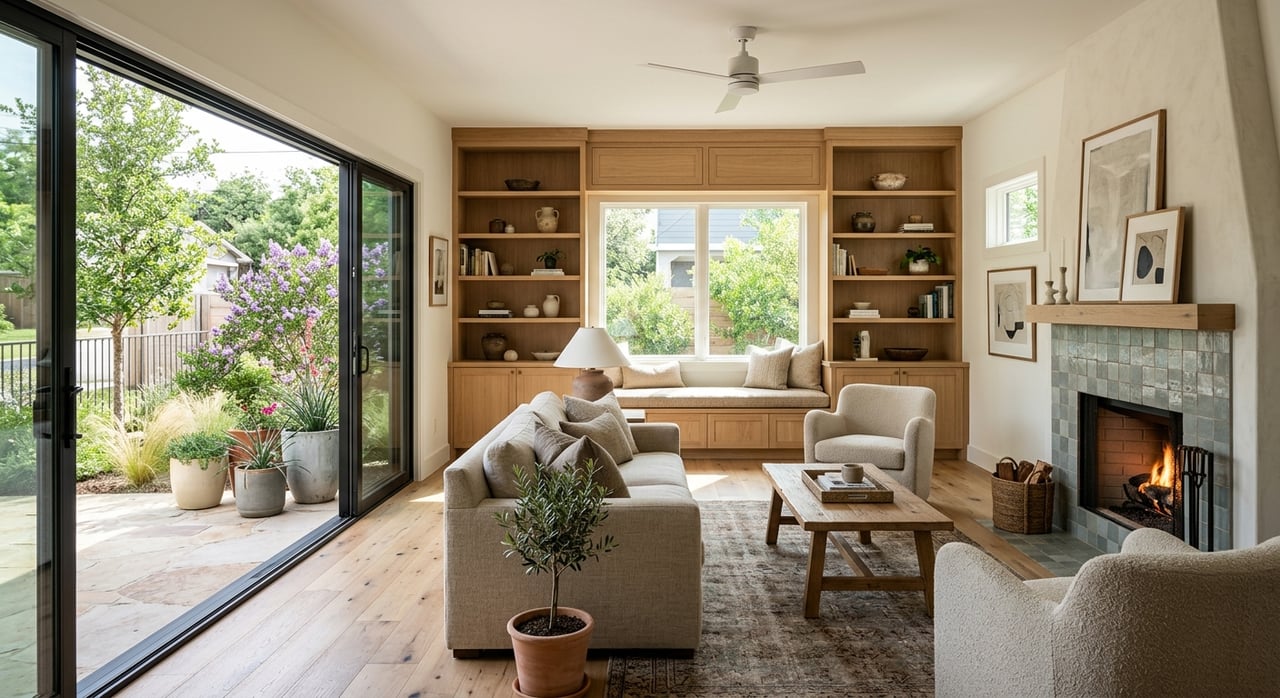
Use the living room to create a sense of scale and comfort. Arrange seating to highlight the fireplace or main focal point, keep walkways clear, and avoid too many small pieces that chop up the room. A clean, edited setup helps buyers understand how the space works.
If your living room opens to the backyard or outdoor area, make that transition visible. Clear sightlines to a tidy patio, shaded seating area, or deck can make the entire home feel larger. In a neighborhood tied closely to outdoor living and nearby McAllister Park, that connection matters.
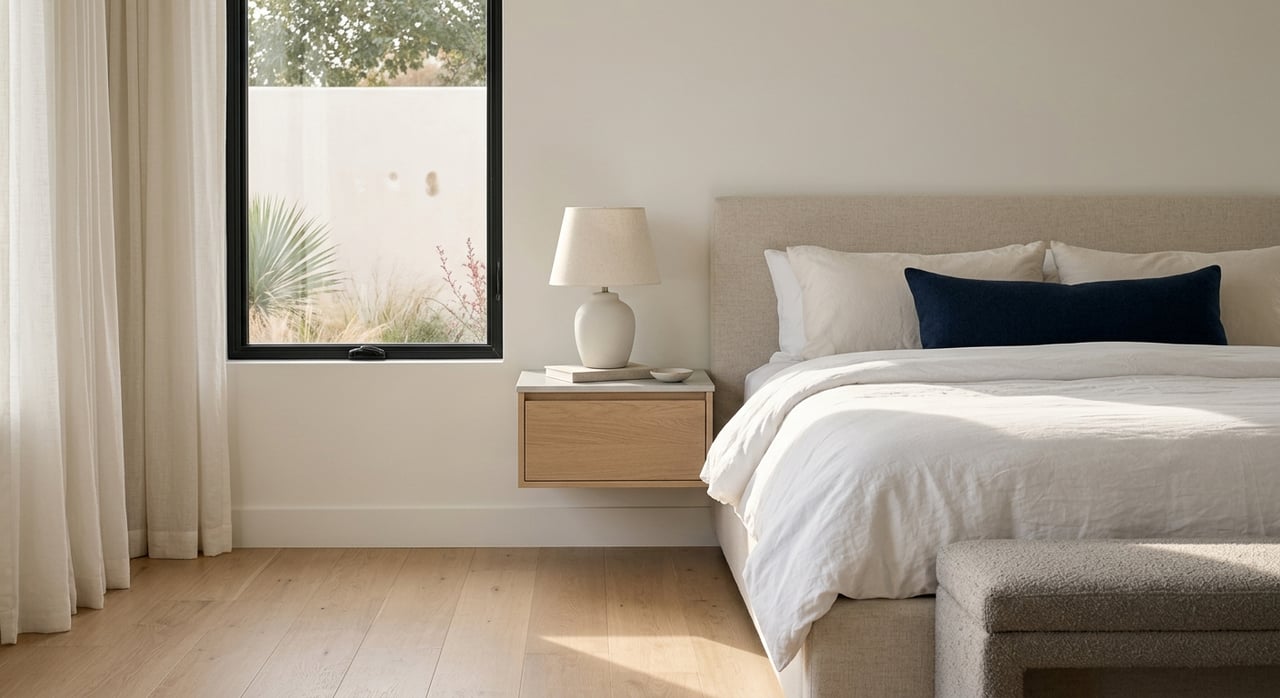
The primary bedroom is another top room to prioritize. Buyers want this space to feel restful, simple, and easy to furnish. If it feels cramped or overly personalized, it can be harder for them to picture themselves there.
Keep bedding crisp and uncluttered. Remove extra furniture if the room feels tight, and clear most personal items from dressers and nightstands. Soft, neutral colors and a symmetrical layout usually help the room read as calm and spacious.
If the bedroom has good natural light, make sure nothing blocks it. If it overlooks mature trees or a landscaped yard, keep the view as open as possible. That visual connection can add to the sense of retreat buyers are often looking for.
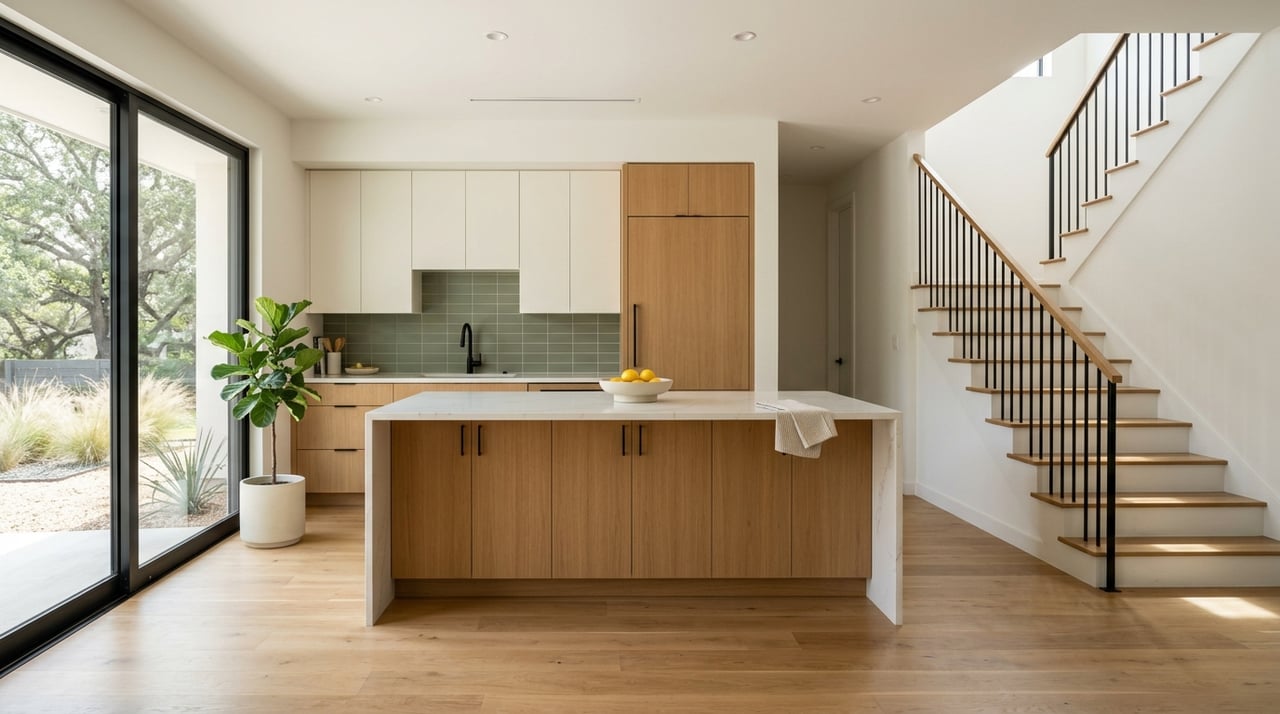
Kitchens do not always need full redesigns to show better. In many cases, they need clear counters, clean surfaces, and just enough styling to feel polished. Buyers want to see workspace, storage, and flow.
Remove small appliances you do not use daily, clear paperwork and magnets, and keep countertops mostly open. A simple bowl, a small plant, or neatly folded towels can be enough. If the kitchen connects to a breakfast area or family room, keep those spaces consistent so the layout feels seamless.
Because many homes in this area were built in earlier decades, the kitchen may not look brand new. That is okay. A well-cleaned, well-lit kitchen with a clear layout often shows better than one overloaded with decor trying too hard to distract.
North Central Thousand Oaks listings often feature downstairs bedrooms, office-friendly spaces, and a mix of one-story and two-story layouts. That variety can be a real advantage, but only if each room has a clear purpose. An undefined room tends to create confusion.
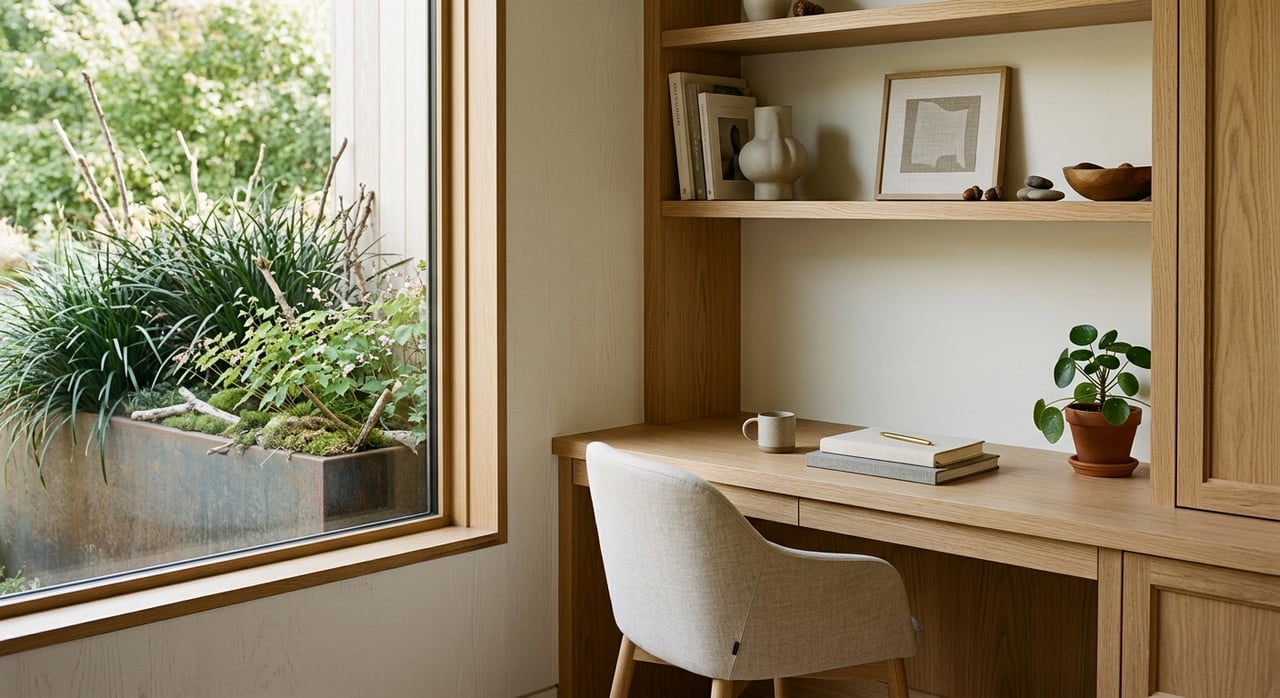
Choose one use for each flexible space and commit to it. A room can be staged as a home office, guest room, reading nook, or workout area, but it should not try to be all four at once. Buyers understand space more quickly when the room tells one clear story.
This is especially important in homes with extra bedrooms, loft-like areas, or secondary living spaces. If buyers can immediately see how the home functions, they can more easily imagine how it could work for them.
Many homes in this area include traditional details like brick fireplaces, exposed beams, or other established finishes. Those features can feel warm and memorable when they are presented with intention. Trying to hide them under trendy decor can backfire.
Instead, stage around the home’s strongest original details. Clean them thoroughly, keep nearby decor simple, and let those materials stand out. Character tends to show best when it feels maintained rather than masked.
This approach also helps your home feel authentic. In a neighborhood where buyers are comparing a range of floor plans and architectural styles, authenticity can be a real strength.
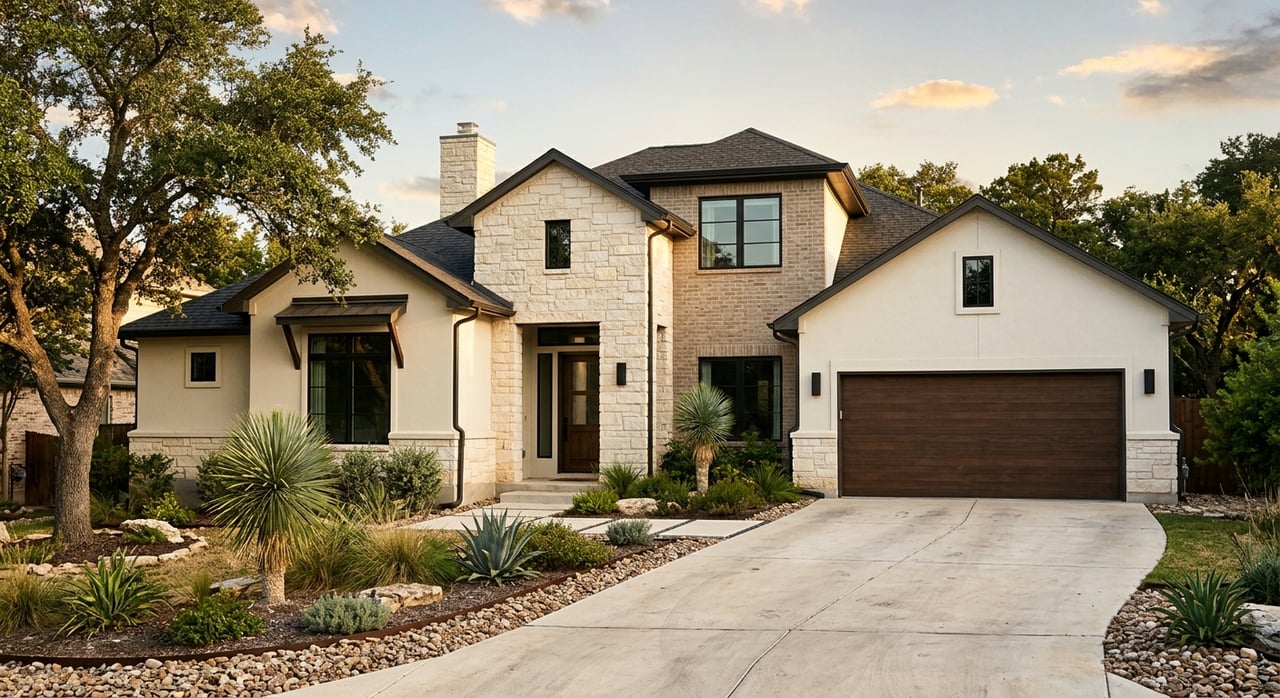
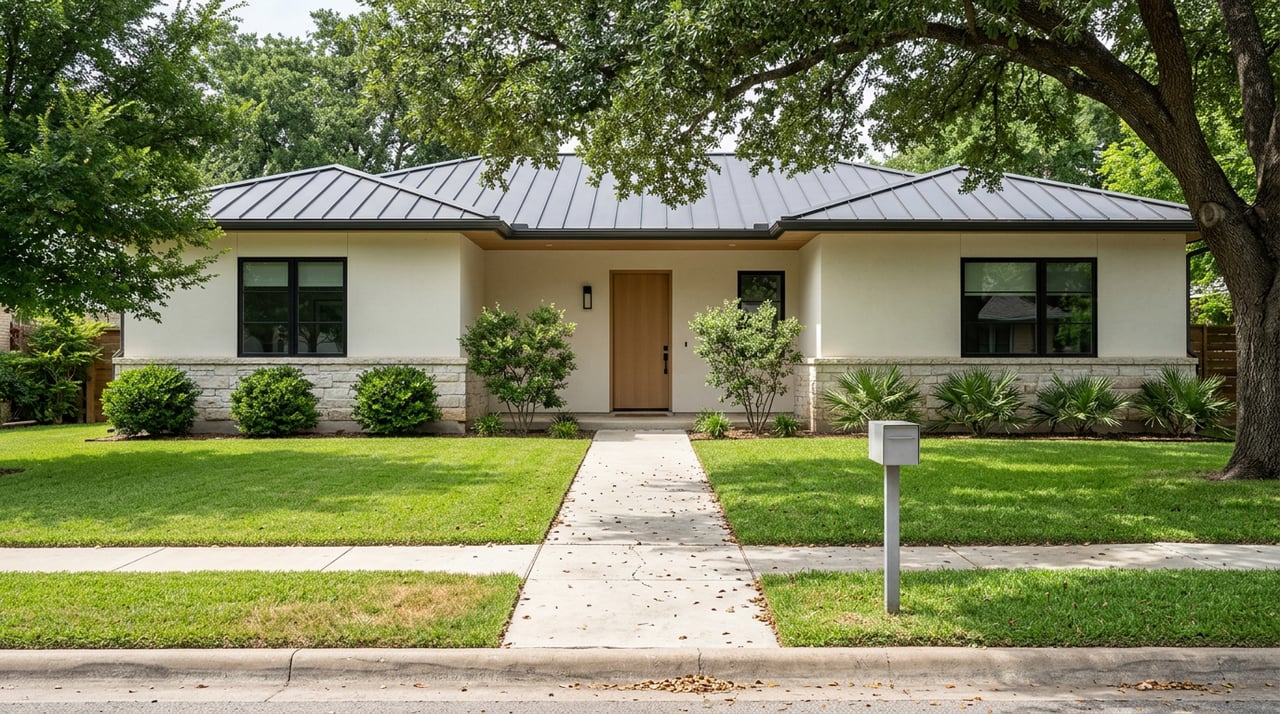
Exterior presentation carries extra weight here. The area’s mature trees and proximity to McAllister Park support an outdoor lifestyle, and current listings often call out decks, patios, and yards. Buyers are not just shopping for interior square footage. They are also looking at how the home lives outside.
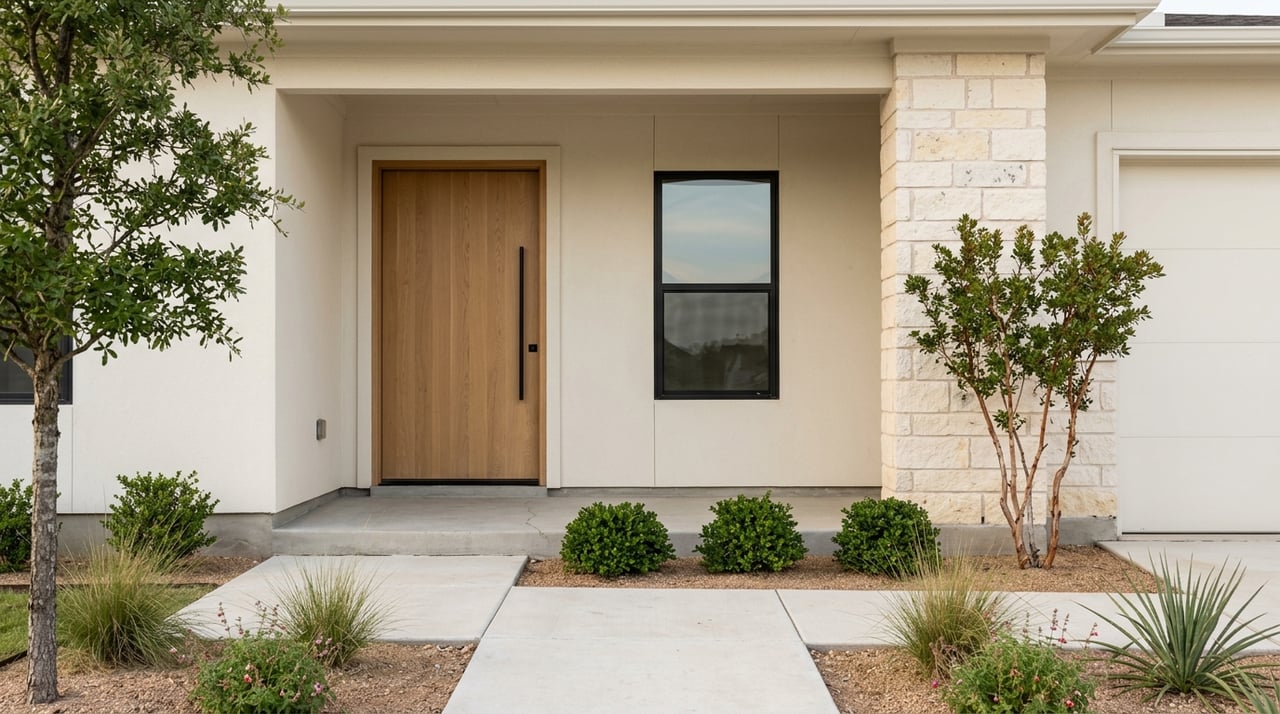
Start with the basics. Tidy the yard, trim plantings, sweep walkways, and clean the front entry. If you have hardscape or patio surfaces, pressure-washing can make a noticeable difference.
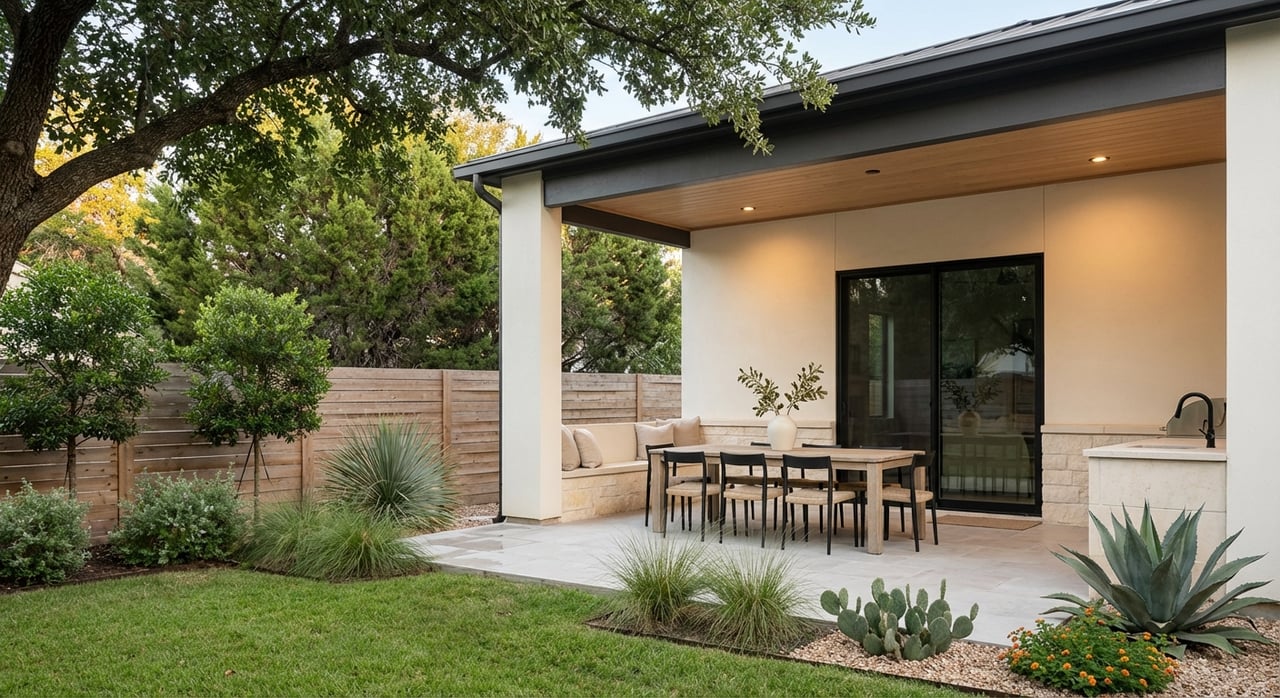
For the backyard, think comfort and shade. San Antonio’s July normals are in the mid-90s, so a staged outdoor space should feel usable, not just decorative. A small seating area under cover or in natural shade can help buyers picture morning coffee, evening downtime, or casual gatherings.
If outdoor cushions are faded or toys are scattered around, remove them for photos and showings. The goal is to make the yard feel easy to maintain and enjoyable to use. Even a modest patio can feel inviting when it looks clean, cool, and intentional.
Not every home needs full-service staging. NAR reported that more than half of sellers’ agents did not stage every listing and instead recommended decluttering, cleaning the entire home, and improving curb appeal first. For many sellers, those basics create the biggest visual improvement.
A smart first round often includes:
This approach is especially helpful if you want to control costs. NAR found a median cost of $1,500 for a professional staging service, compared with $500 when the seller’s agent handled staging themselves. That makes a consultation-first or partial-staging plan worth considering for many homeowners.
Professional staging tends to make the most sense when a home is vacant, heavily personalized, or hard to read because of an unusual layout. In North Central Thousand Oaks, that can apply to homes with larger open areas, mixed-use rooms, or floor plans that need help telling a clear story. Empty rooms often look smaller and feel less inviting in photos.
For many sellers, a partial-staging strategy is the sweet spot. Focus first on the living room, primary bedroom, kitchen, and the most visible outdoor area. Those spaces line up with NAR’s room-priority findings and with what local buyers are already seeing highlighted in neighborhood listings.
If your home is occupied, you may not need to stage every room. A well-planned refresh can often do the job, especially when the home already has strong bones, mature landscaping, and attractive natural light.
If you want a simple framework, start here:
This kind of plan respects both your budget and the neighborhood. It also helps your home connect with what buyers are already expecting to see in North Central Thousand Oaks.
Selling a home is part strategy and part presentation. When your staging supports the home’s light, layout, character, and outdoor appeal, buyers can focus on what makes the property special. If you want a local, practical plan for getting your home market-ready in North Central Thousand Oaks, Kristi Waite would be glad to guide you.
Stay up to date on the latest real estate trends.

She deployed strategies honed over hundreds of transactions, navigating the ever-evolving landscape of real estate with energy and conviction.